
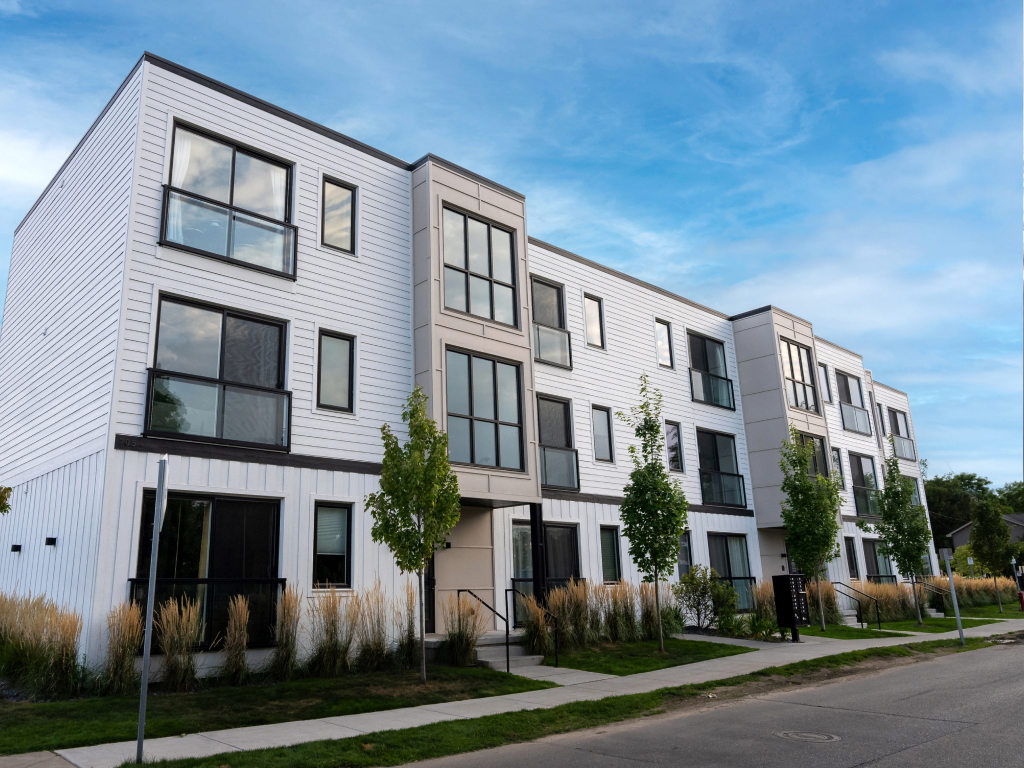
Once the last module is set, a developer's question shifts from "will it arrive on time?" to "what happens now?" The building is weathertight, though far from finished. Interior trades are mobilizing, site work is still underway, and the general contractor may have six to twelve months of work ahead before the ribbon cutting.
On an RC² project, the stretch right after installation is short and structured: a walk-through, a punch list, a crew to close it out, and a workmanship warranty that starts at installation. Knowing how each step works, and who owns what, keeps the schedule predictable and the budget free of surprises at close-out.
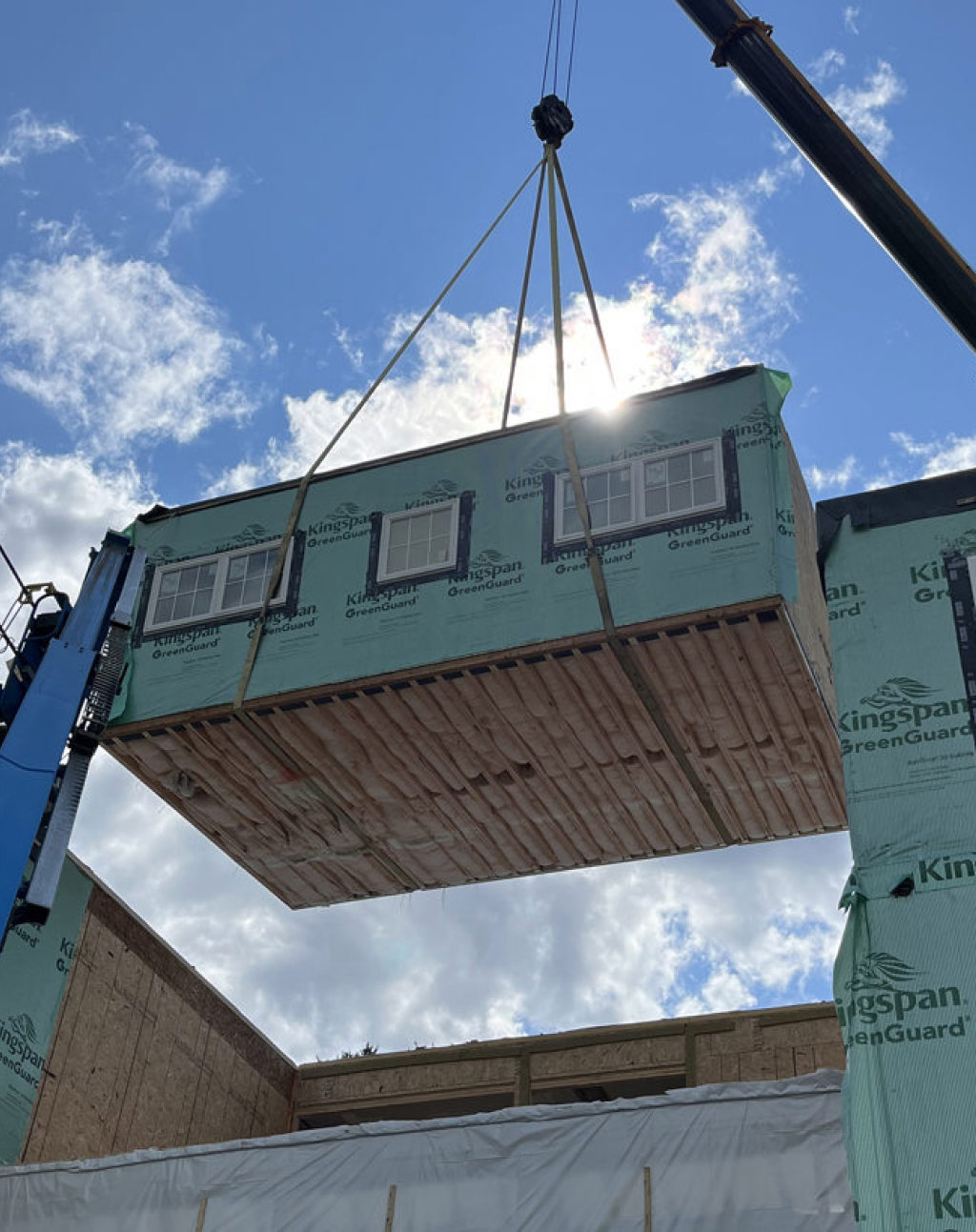
The Sequence After the Last Module Is Set
The RC² crew's work on site follows a set order. Each step finishes before the next begins:
- Installation. Modules are craned into place and set on the foundation. The installation process covers this stage in detail.
- Connections. Module-to-module connections are completed.
- Weatherproofing. The building is sealed against the weather.
- Walk-through. The RC² team inspects the building for damage and open items.
- Punch list. Deficiencies are documented.
- Close-out. RC² dispatches a crew to correct each punch list item.
Because the steps run in lockstep with the general contractor's schedule, on-site trades can move into the building as soon as their areas are ready.
The Walk-Through: Checking What the Trip Did
The first walk-through happens right after installation, connections, and weatherproofing are complete. Its main job is to catch anything that changed between the plant and the foundation. Some modules travel as far as 800 miles by highway before a crane sets them, and the walk-through confirms each one arrived the way it left the factory.
During the walk-through, the RC² team looks for:
- Damage that occurred during transit or installation
- Backordered items that still need to be installed
- Windows and doors that don't open, close, or lock correctly
- Any other obvious deficiencies
Who Owns the Punch List
The RC² punch list covers our scope: the modules as built in the plant, and anything affected by transport and installation. RC² sends its own crew to correct those items.
Work outside that scope belongs to the general contractor. That typically includes site work, foundations, utility connections, and the finish work the GC's crews complete on site.
The punch list also gives the GC a shared reference. Their crews are usually starting work in the building at the same time, so the RC² team shares what it found, what it's correcting, and guidance for on-site trades working around or connecting to the modules.
Why Punch List Completion Matters
Closing out the punch list is a contract milestone on an RC² project. It triggers final payment, which gives everyone involved a clear finish line and a reason to close items quickly. Generally speaking, RC²'s on-site work is complete at that point, though the team still enjoys being there for the ribbon cutting.
What the Warranty Covers
RC² warrants its workmanship for a prescribed period of time as defined under the Contract after all modular units are installed. The start date matters, because a lot happens after installation. A general contractor may need six to twelve months to finish the building, so part of the warranty period runs while construction is still underway.
Products RC² installs that carry their own manufacturer warranty are covered separately. A microwave is a good example: RC² installs it and plugs it in, and if it stops working, the manufacturer's warranty applies.
A warranty is only useful when someone acts on it. If an issue within RC²'s workmanship turns up during the warranty period, report it to RC² right away so the team can address it while coverage is in place.
Lessons Learned: How Each Project Shapes the Next
Every RC² project ends with a postmortem. The team documents what worked, what didn't, and what to watch for next time. Those findings feed RC²'s continuous improvement program and are presented to the operations team before the next build begins.
Writing lessons down is deliberate. People change roles and move on, and a lesson that lives in one person's memory leaves with them. Documenting failures, and fixing them, keeps that knowledge in the building process for every project that follows.
Maintaining the Building After Turnover
Owners maintain a modular building the same way they maintain a site-built one. The systems, finishes, and equipment are the same, and so is the maintenance plan.
Looking ahead, RC² sees room to make that easier. A digital twin, paired with sensors in the building and its equipment, could track what's installed in each unit and when it needs attention, flagging, for example, that the water heater in unit 208 is five years old. It's a future-state idea, and one RC² is watching closely.
Planning Your Next Project
Knowing how a project closes out is part of planning it well. To talk through post-installation responsibilities on your next multifamily, hospitality, or student housing project, contact the RC² team.