
Higher education facilities projects face a constraint most commercial builds don’t: the calendar doesn’t flex. New student housing needs to be ready before fall orientation. Not close to ready. Done.
That pressure shapes how campus planners and facilities directors evaluate construction methods. Traditional site-built timelines carry too many variables, and a single delay can leave students without housing on move-in day. Modular construction addresses this structurally by moving the majority of the build into a factory while site preparation happens in parallel.
The Academic Calendar Has No Grace Period
Office buildings can negotiate early-occupancy phasing. Lease-up multifamily communities can stagger move-ins. Universities can’t. Fall move-in is a fixed point, and the consequences of missing it are significant: displaced students, strained institutional relationships, and a procurement credibility problem that follows a project into the next contract cycle.
Modular construction compresses the schedule by running two workstreams at once. While your general contractor manages site work and foundations, RC2’s manufacturing team is building your units in a climate-controlled facility. Those two workstreams converge at set, when modules arrive on site ready to be craned into place.
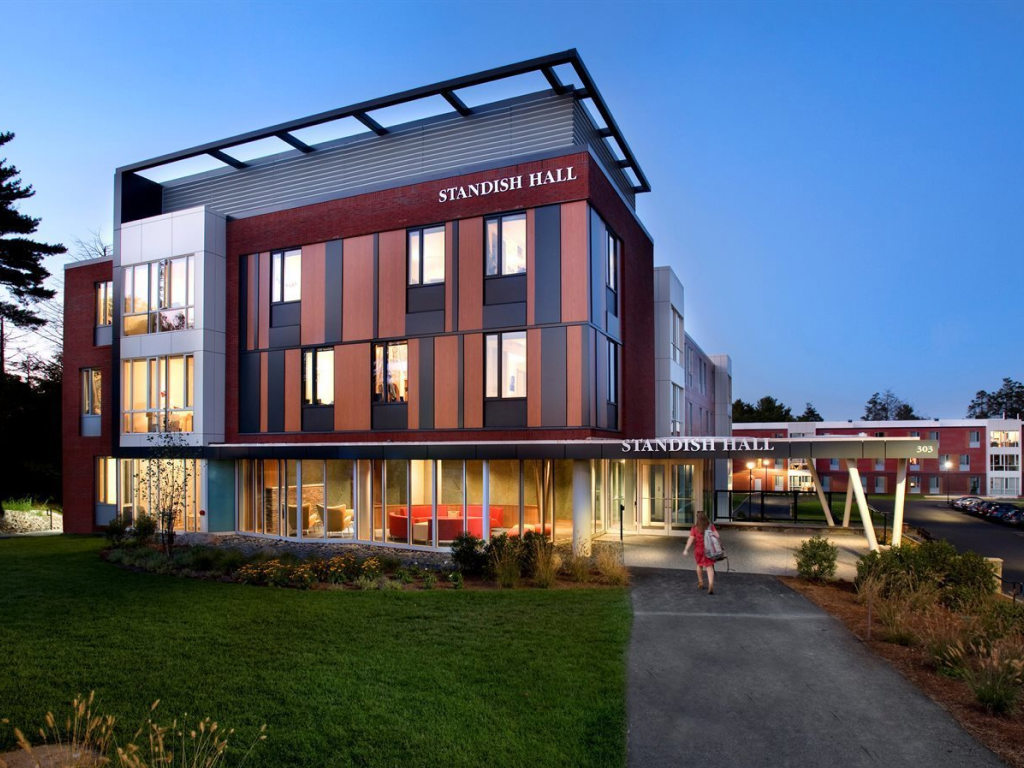
At Standish Hall at Endicott College in Beverly, Massachusetts, RC2 manufactured 130 modular units during a winter when the Boston area recorded 99 inches of snow. Weather that would have shut down a traditional job site for weeks didn’t interrupt the factory production schedule. The building was installed in August. One hundred ninety-six students moved in on time for the fall semester.
Durable by Design: Built for How Students Actually Live
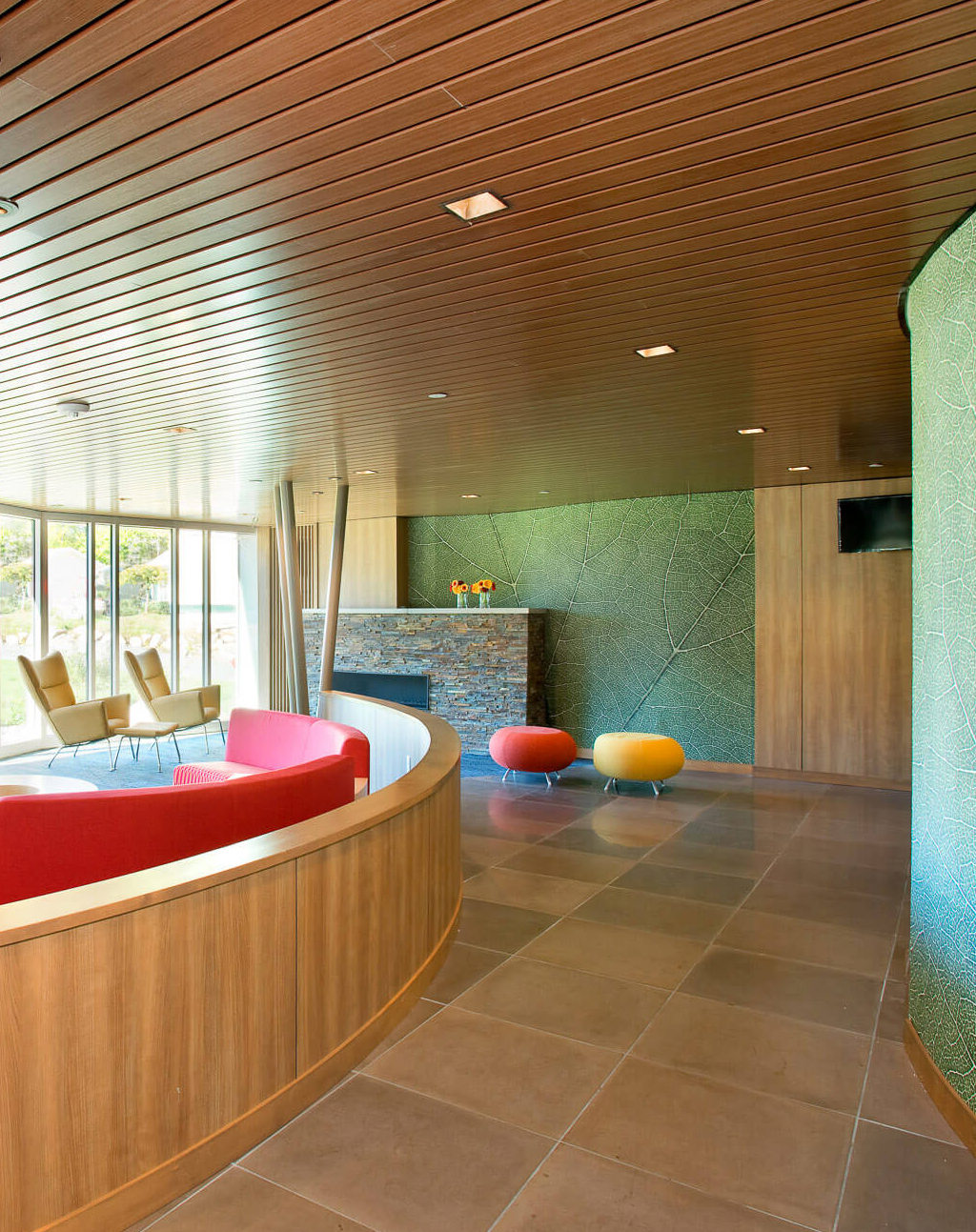
Student housing takes more sustained daily wear than almost any other residential building type. Common areas cycle through hundreds of residents. Corridors see heavy traffic every day. Interior finishes, mechanical systems, and structural elements have to hold up not just for year one, but for decades of institutional use.
Factory construction creates a structural advantage here. Every RC2 module is built in the same facility, by the same production crews, to the same approved plans. Structural intersections are inspected before walls are closed. The result is a building envelope with tighter tolerances and better acoustic separation between rooms, which matters directly to student satisfaction and, by extension, to long-term housing occupancy rates.
State-certification labels are applied to each module before it leaves the facility, confirming that the modular scope meets applicable building, electrical, plumbing, and mechanical codes. For campus facilities teams managing long-term maintenance budgets, that documentation and the structural consistency behind it carries real operational value.
Modern Residences That Students Actually Choose
Enrollment decisions increasingly factor in campus housing quality. Students comparing schools compare rooms. A dormitory that feels dated, cramped, or poorly finished is a competitive disadvantage for the institution.
RC2 modular student housing is designed to meet current residential expectations. Layouts can be configured to support single, double, suite-style, and apartment-style arrangements depending on the institution’s housing strategy. Interior finishes are specified and installed in the factory, where consistency is maintained from unit to unit.
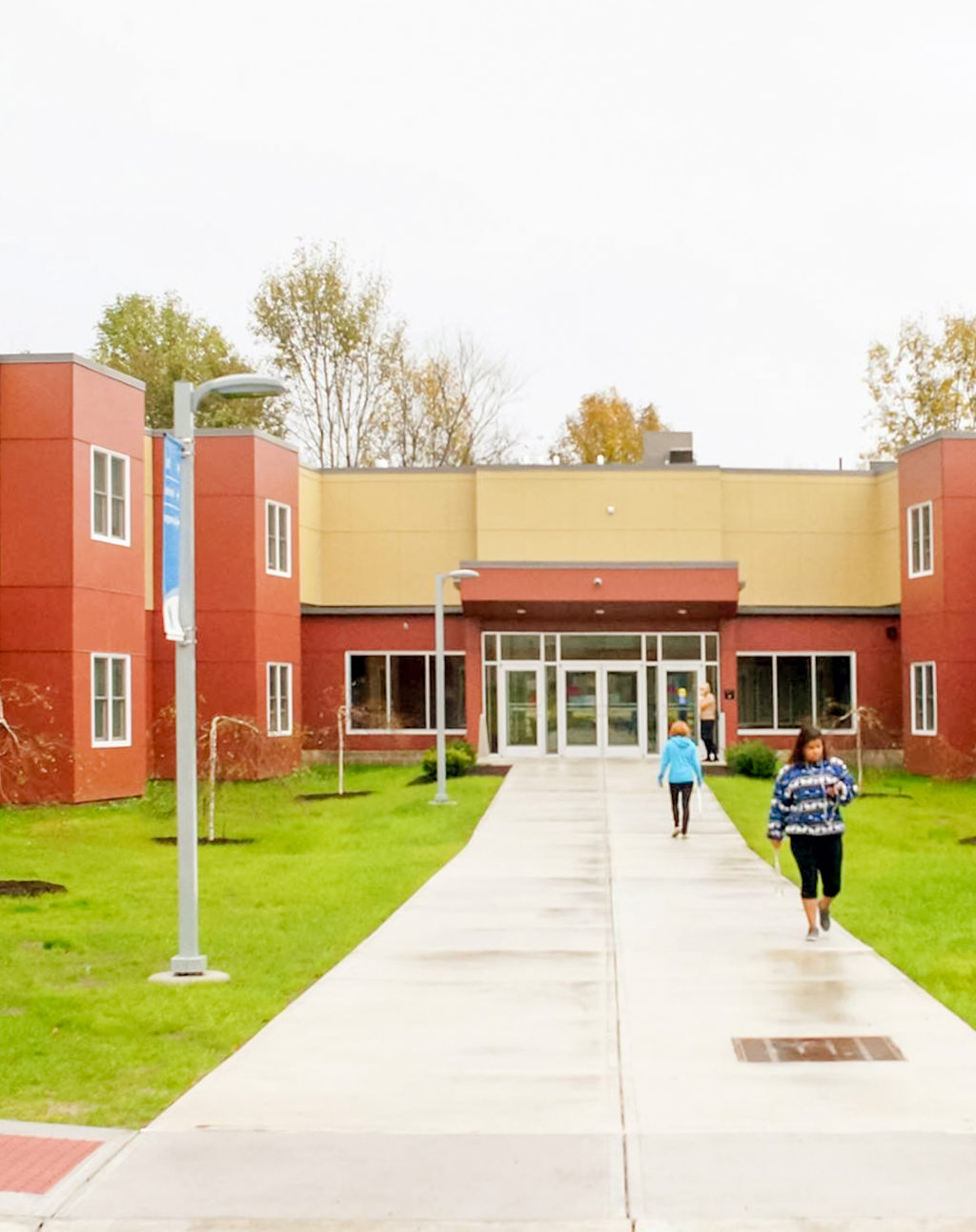
At Harmony Hall at Fulton-Montgomery Community College in Johnstown, New York, RC2 delivered 64 modular units and 144 beds in the college’s first-ever modular dormitory project. The building was completed on schedule for the fall semester.
Start the Conversation Before Construction Starts
The student housing projects that go best are the ones where manufacturing and site coordination are aligned before production begins. Academic calendars leave little room for schedule recovery once construction is underway. Pre-construction alignment on design, permitting, manufacturing sequencing, and site readiness is what creates the buffer that keeps move-in dates intact.
Campus facilities directors and project owners who engage RC2 early get the most from the parallel-workstream approach. The earlier the coordination, the more schedule compression carries through to delivery.
Explore the RC2 student housing portfolio to see how other institutions have approached campus housing expansion with modular construction.
Talk to the RC2 Team
If you’re an architect planning a student housing project and want to understand what a modular approach would mean for your schedule, budget, and design requirements, we’re ready to have that conversation.
Contact the RC2 team to discuss your campus housing project.
Build On With a Partner Who Understands the Code
Navigating the world of commercial modular code compliance is easier with an experienced partner. If you have specific questions about permitting in your state or how we coordinate with local officials, we’re here to help. Connect with the RC2 team today.