
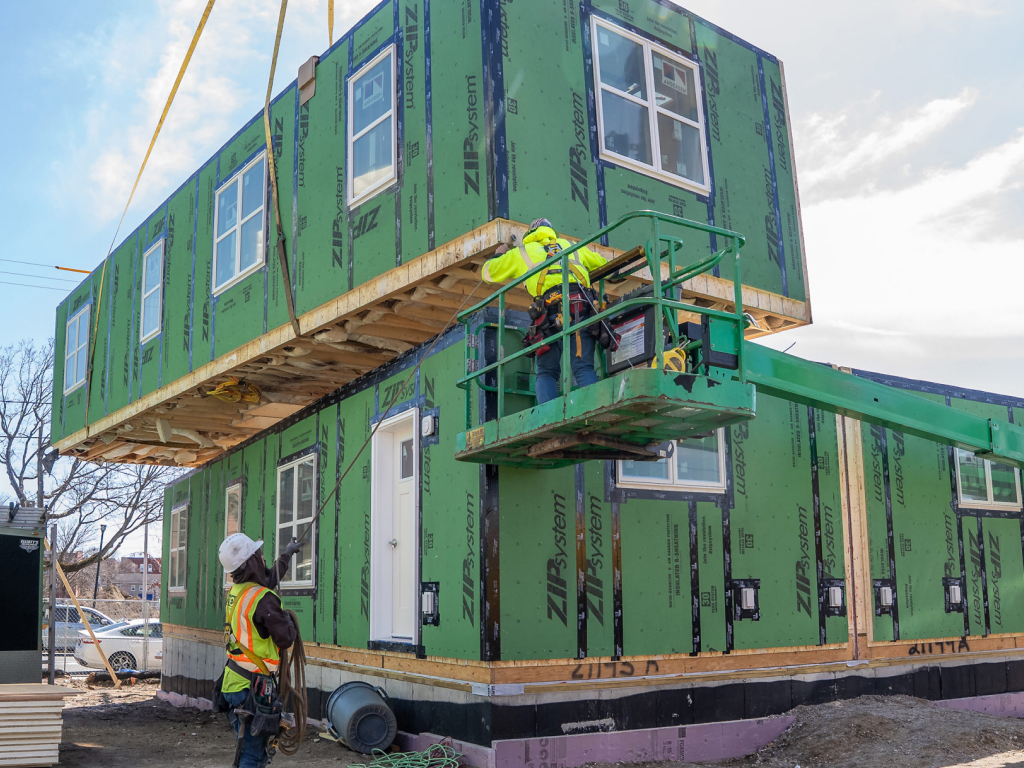
A single modular building is one set of variables: one plant schedule, one crane path, one occupancy date. A multi-phase campus multiplies all three, and it adds a few that never show up on a single-building job: financing draws tied to phase completion, laydown space that shrinks as each building fills, and inspections that have to clear in a sequence tied to the site's own construction timeline.
For developers, general contractors, and architects planning a multi-building campus, predictability across every phase is the real test. Speed gets a project noticed. A schedule that holds from phase one through phase four is what gets it financed, insured, and occupied on time.
RC2 has run phased modular projects across multifamily, senior living, and campus housing, from two-phase buildings under fifty units to larger master-planned communities. Multi-phase modular scheduling comes down to the same three disciplines at every scale:
- Sequencing the build before a module leaves the plant
- Staging deliveries to match what the site can actually absorb
- Coordinating logistics so a tight urban lot or a hard winter doesn't move the occupancy date
Here's what that looks like, phase by phase.
Why Large Campuses Need a Different Scheduling Approach
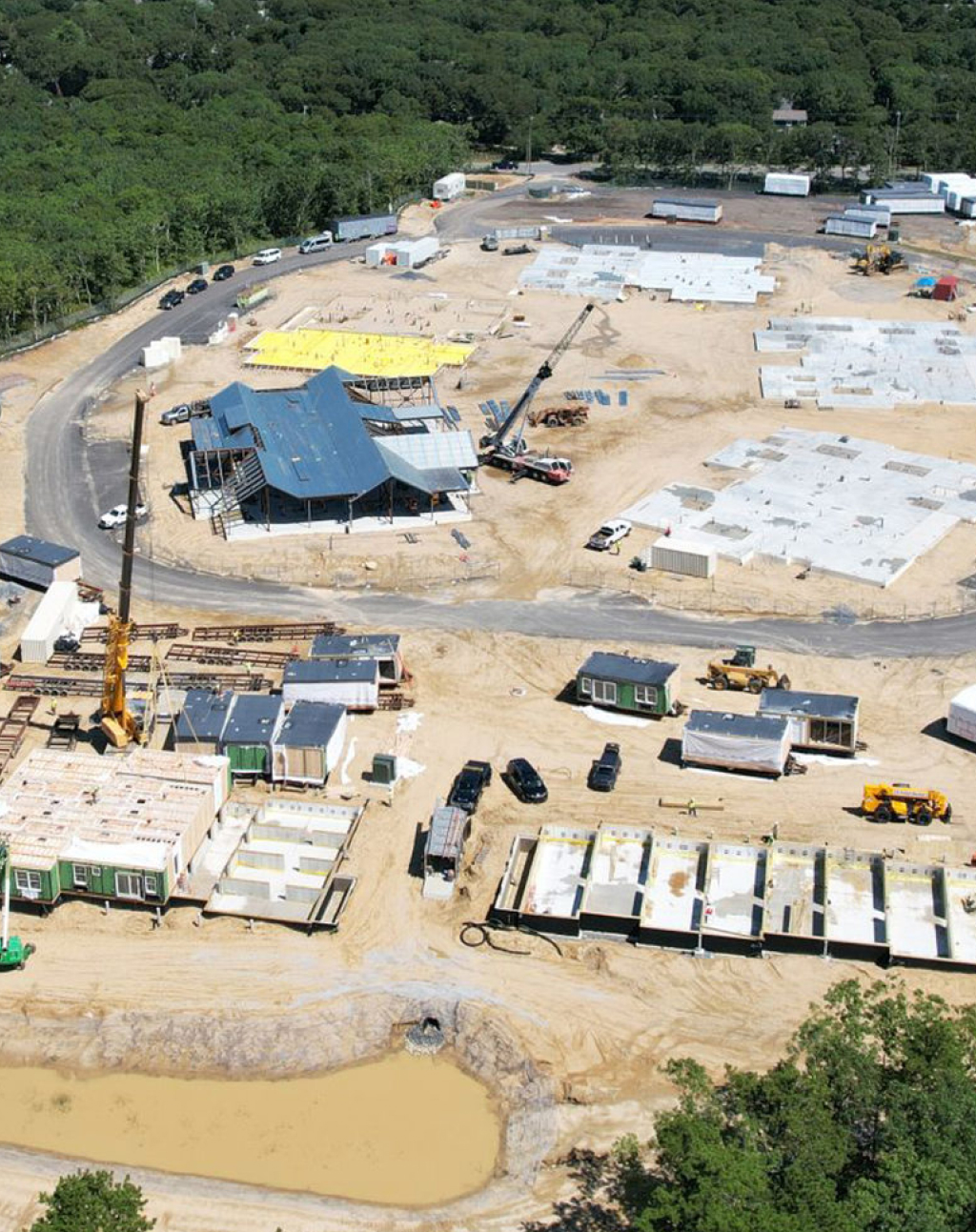
On a single building, the plant produces modules, the site receives them, and the schedule runs in one direction. On a multi-phase campus, phase two's site logistics depend on what phase one leaves behind. Crane access, laydown space, and site circulation all shift once a building is occupied or moves into finish work next door. Financing often ties draws to phase completion, so a slip in phase one's schedule rarely stays contained to phase one. Inspections, utility tie-ins, and site work all must sequence around a site that is under construction in one place and occupied in another.
Building modules faster doesn't solve any of that. But planning the sequence, phase by phase, before ground is broken does.
Sequencing the Build before a Module Leaves the Plant
On a phased project, the plant schedule and site schedule have to move at the same pace. Production that runs ahead of the site's readiness leaves finished units sitting in storage or pushes back the delivery window for the next phase. A site that outpaces production leaves crews with open schedule slots and no units to set. RC2 paces each phase's module production run to the site's actual readiness date, so units arrive as the crew can receive and set them.
That sequencing gets worked out before a phase's design is even final. Confirming site logistics, staging capacity, and delivery windows early is what lets a schedule that runs across years, not months, actually hold.
Staging and Module Release on a Constrained Site
Multifamily infill sites rarely have room to spare, and staging has to work around that. At 3030 South Water Street, a multifamily project in Pittsburgh, the building footprint nearly matched the site itself, leaving no room for on-site module storage. RC2 staged a continuous flow of units from an off-site storage lot half a mile away, coordinating with traffic control to temporarily close one lane of Water Street and the adjacent sidewalk for each delivery. The crane retracted its outriggers after every set to reopen both lanes before the next load arrived.
That is what module release looks like when a site can't hold a buffer: the schedule for pulling units out of storage becomes as important as the schedule for building them.
The Same Discipline in Senior Living and Campus Housing
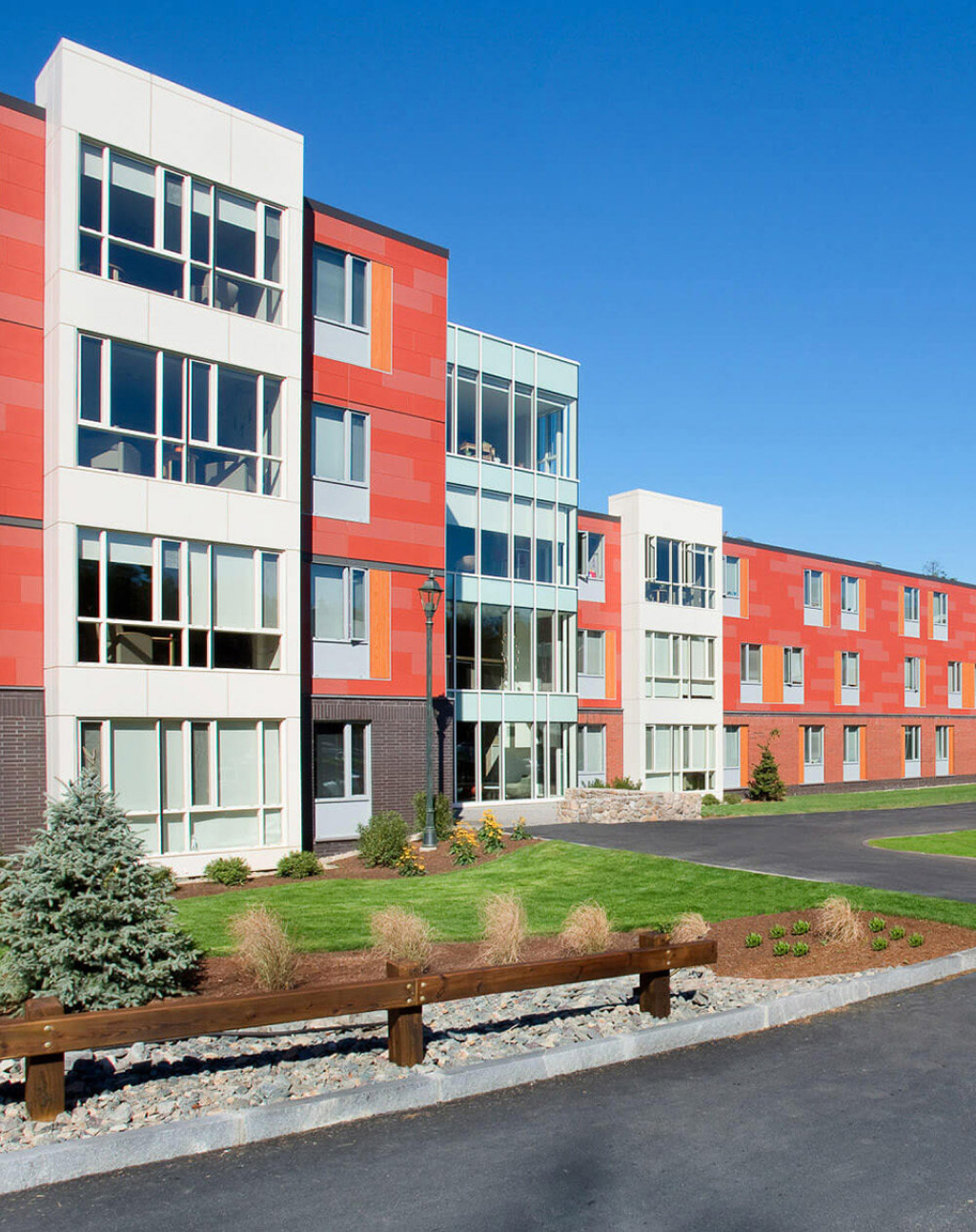
The staging principles carry across markets. At Ocean Green Senior Apartments, a senior housing project in Jersey City, a dense urban site with no on-site storage and limited options for street closures called for a phased construction approach delivered in two parts. Phase one set a crane pad within the building's own footprint and pulled units from temporary storage four blocks away to keep a steady flow moving to the site. Phase two, a smaller 16-unit addition, needed only a two-day lane closure to finish installation.
Campus housing runs on a different kind of deadline. The academic calendar does not move for a construction schedule. At Standish Hall at Endicott College, RC2 manufactured 130 modular units off-site through one of the snowiest winters on record for the Boston area, 99 inches over the season, while site work continued in parallel.
Building the units indoors, on a plant schedule insulated from the weather, kept the project on track for a fall move-in date that could not slip for students expecting a room.
Logistics that Hold Up under Site and Weather Constraints
Behind each of these projects is the same logistics groundwork: knowing which units are needed on-site on which day, and having a transportation plan through RC2's integrated logistics partner, Ritz-Trans, that can hit that window regardless of a tight downtown street grid or a hard winter. On a multi-phase project, that reliability compounds. A delivery that slips a day on phase one can cascade into a delayed inspection, a pushed occupancy date, and a missed financing draw on phase two.
Cost and Schedule Certainty across Every Phase
A multi-phase campus is really several construction projects that all have to land on time, in sequence, and on budget. That only happens when the sequencing, staging, and logistics plan gets built alongside the design, rather than worked out after the first modules arrive. Whether a project is a two-phase senior living building or a multi-building master plan, that is the modular scheduling discipline that keeps every phase, and every draw, on track.
See more examples of phased and multi-building projects in RC2's project portfolio, or learn how a project moves from design to delivery on our services page.