
A construction loan gets underwritten around a set of assumptions the lender already knows how to read: a general contractor on site, a monthly draw tied to visible progress, and a contingency line sized for the unknowns that show up once demolition starts. Modular construction moves a large share of that progress off site and into a factory, months ahead of the foundation pour. That's exactly where deals slow down. The construction math works. The payment structure just needs to be explained in terms the lender's draw team already trusts.
Owners, developers, and general contractors bringing a modular project to a bank, credit union, or housing finance agency for the first time tend to hit the same questions. How do milestone payments work when a large share of the building is being built somewhere else? What happens to the contingency line when most of the scope is priced before the loan even closes? How does an inspector sign off on work if they can't walk on site yet? None of these are dealbreakers. They're just questions that need answers before the term sheet gets signed.
We’ll break down how modular payment milestones are typically structured, how they line up with a standard construction loan draw schedule, where contingency shifts when most of a building's scope is locked at contract, and how to walk a financing partner through modular's risk profile with numbers instead of a sales pitch.
Why Lenders Ask More Questions about Modular Deals
Most construction lenders have underwritten dozens of stick-built jobs and maybe one or two modular ones. That unfamiliarity, more than the construction method itself, drives the perceived risk. A factory floor running manufacturing and quality control on a locked schedule under a roof is a different underwriting story than a job site exposed to weather, subcontractor delays, and change orders, and that story belongs in the loan package instead of being assumed.
What Modular Payment Milestones Actually Look Like
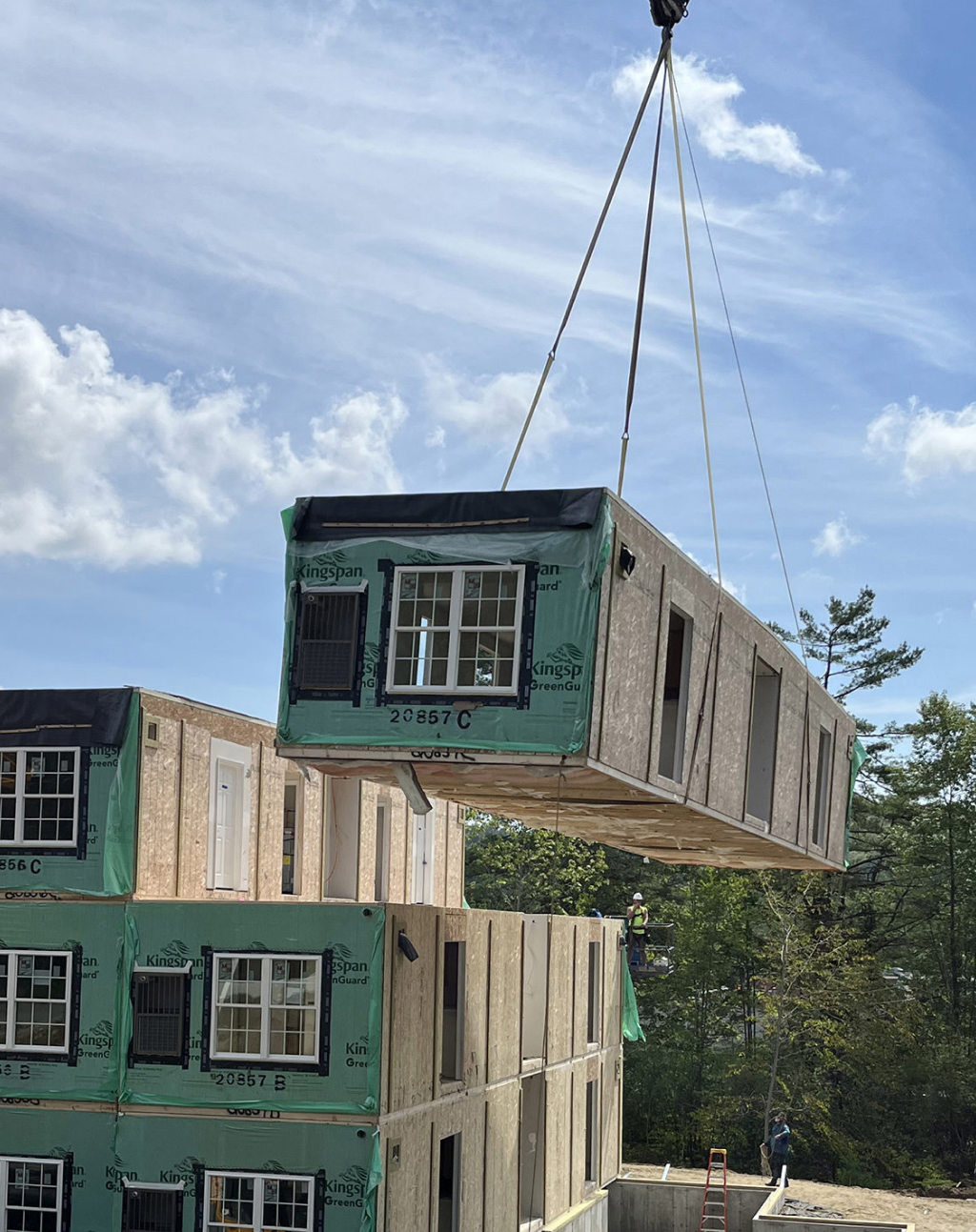
A modular payment schedule follows the module instead of the site. Design and engineering are typically secured under a separate Contract. Upon securing all required approvals the Parties enter into a Manufacturing Agreement for fabrication, delivery, and if applicable, the installation of the modular units.
Typical milestone payment terms under the Manufacturing Agreement may include the following:
- Initial payment for stored building materials and the release of purchase orders for long-lead-time items.
- Commencement of manufacturing of the modular units.
- Achievement of predetermined production milestones during the manufacturing process.
- Delivery of modular units, with payments made on a pro rata basis as units are delivered.
- Installation of modular units, with payments made on a pro rata basis as installation progresses.
- Release of retainage upon substantial completion and satisfaction of all contractual requirements.
The fix is straightforward: build the modular production milestones into the draw schedule before the loan closes, not after.
Where Contingency Shifts when Most of the Scope Is Locked at Contract
Pricing gets locked for roughly 90 percent of a building's modular scope at contract, well ahead of groundbreaking, which is what drives fewer change orders and a clearer pro forma for the underwriting team, and it's the number worth putting in front of a credit committee directly. That kind of clarity is also what streamlines buy-in from lenders, housing authorities, and employer partners on affordable and workforce housing deals specifically.
That doesn't mean contingency disappears. It means contingency needs to be sized against the scopes that still carry site-level variability, foundations, utilities, sitework, and finish-out, rather than spread evenly across the whole project the way a stick-built contingency line usually is. A contingency line built for a stick-built job overstates modular's actual exposure. A contingency line rebuilt around the scopes still happening on site gives both the lender and the borrower a more accurate number to work from.
Presenting Modular's Risk Profile to a Financing Partner
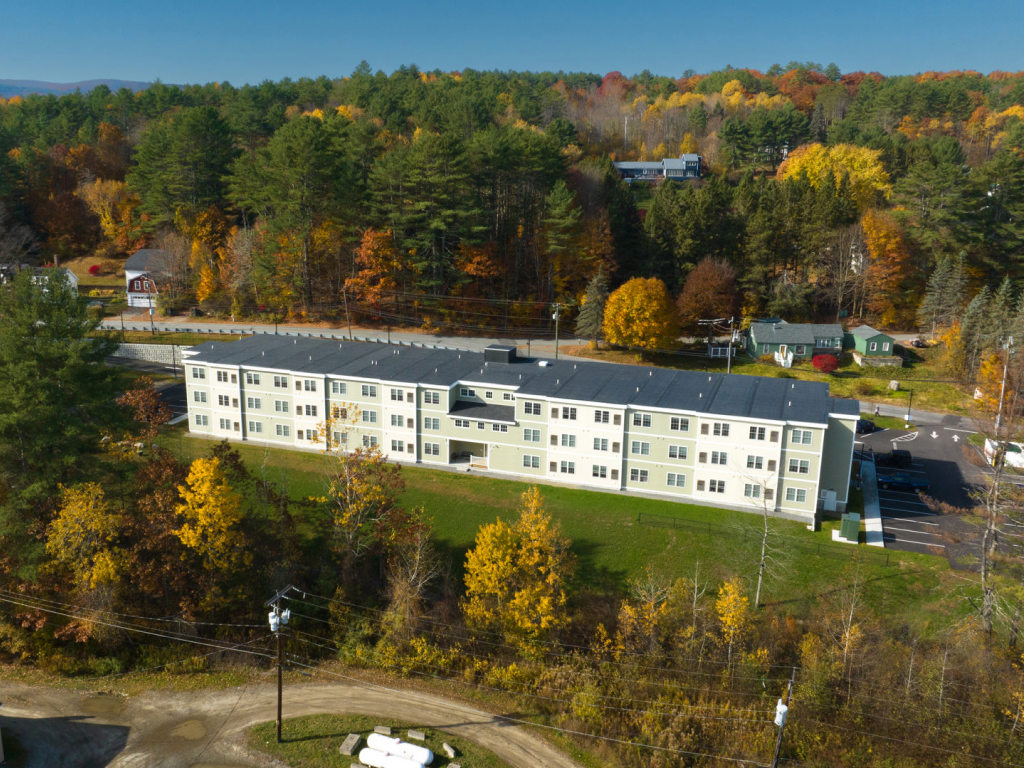
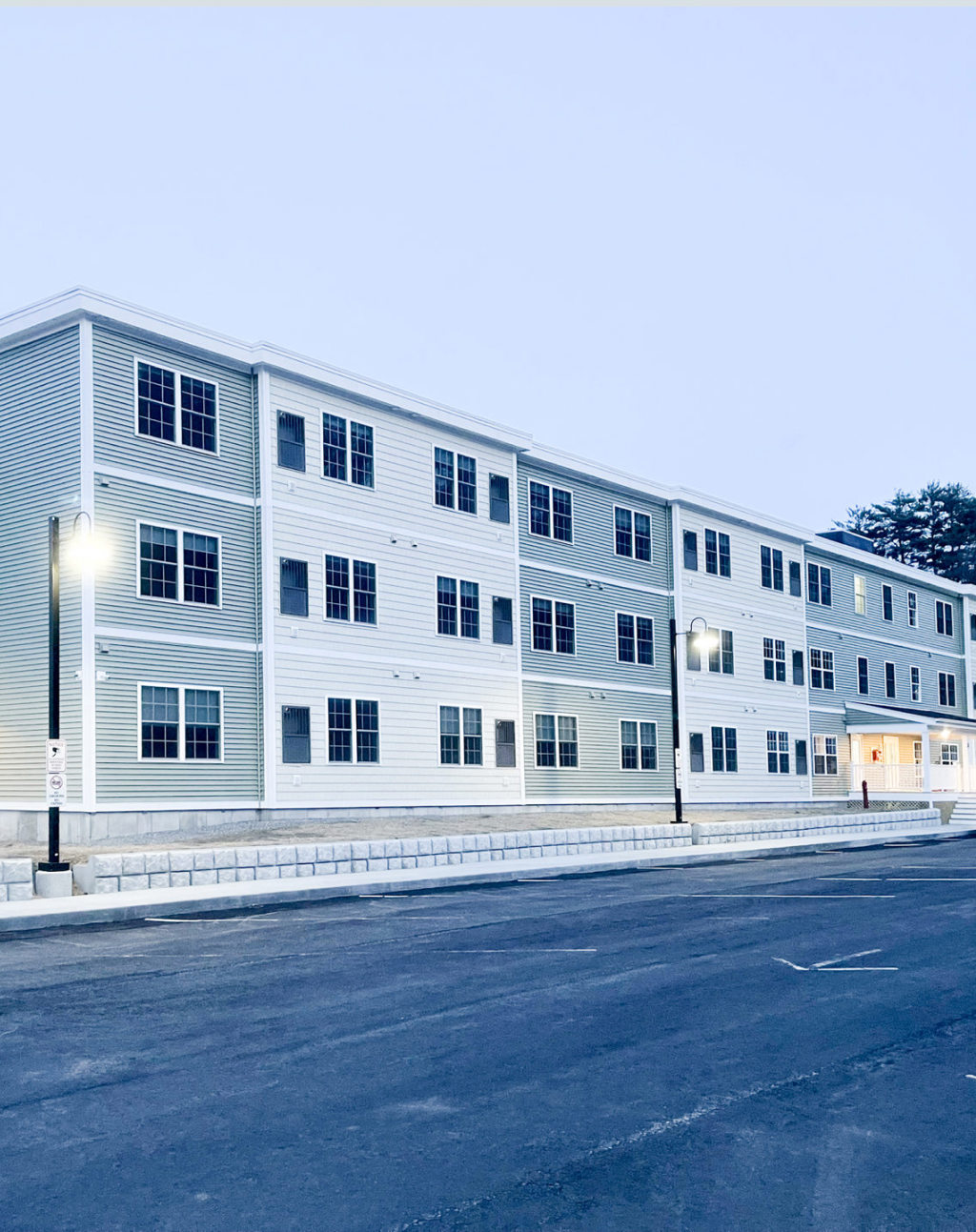
The strongest way to walk a financing partner through modular risk is with a completed project, not a pitch deck. Spring Street Apartments in Newport, New Hampshire, a 66-module building with 21 living units across three stories, was funded through the New Hampshire Housing Finance Agency and its developer. It's proof that state and regional housing finance agencies already underwrite modular deals when the numbers are presented clearly.
Delivery logistics matter to that story, too. RC2's modules move through Ritz-Trans, its integrated transport and delivery partner, which keeps the delivery milestone tied to one coordinated schedule instead of a separate trucking contract a lender has to underwrite on its own.
Bring the lender the production schedule, the locked-scope pricing, the inspection plan, and a completed project of a similar size and market. Pair that with the timeline math, faster occupancy shortens the gap between loan closing and revenue, and a credit committee has a number it understands regardless of construction method.
Talk through Your Deal Structure
Every one of these conversations goes easier when a lender can see RC2's manufacturing and delivery process and the schedule and cost data before the first meeting. From there, the RC2 team can walk your specific deposit structure, draw schedule, and site scope through with you and your financing partner directly.
This article is for general informational purposes only and does not constitute financial, legal, or lending advice. RC2 is a modular construction manufacturer, not a financial advisor, lender, or accountant, and loan structures, draw schedules, and contingency requirements vary by lender, project, and jurisdiction. Talk with your own financing, legal, and accounting professionals before making decisions based on this content.