
Say "workforce housing" to most people, and the image that comes to mind is a unit trucked onto a job site for the length of a project, then trucked back out once the work was done. For decades, that was the fastest way to house hospital staff, hotel workers, or seasonal crews in a tight labor market, and it was never meant to be permanent. It looked and felt exactly like what it was: a stopgap.
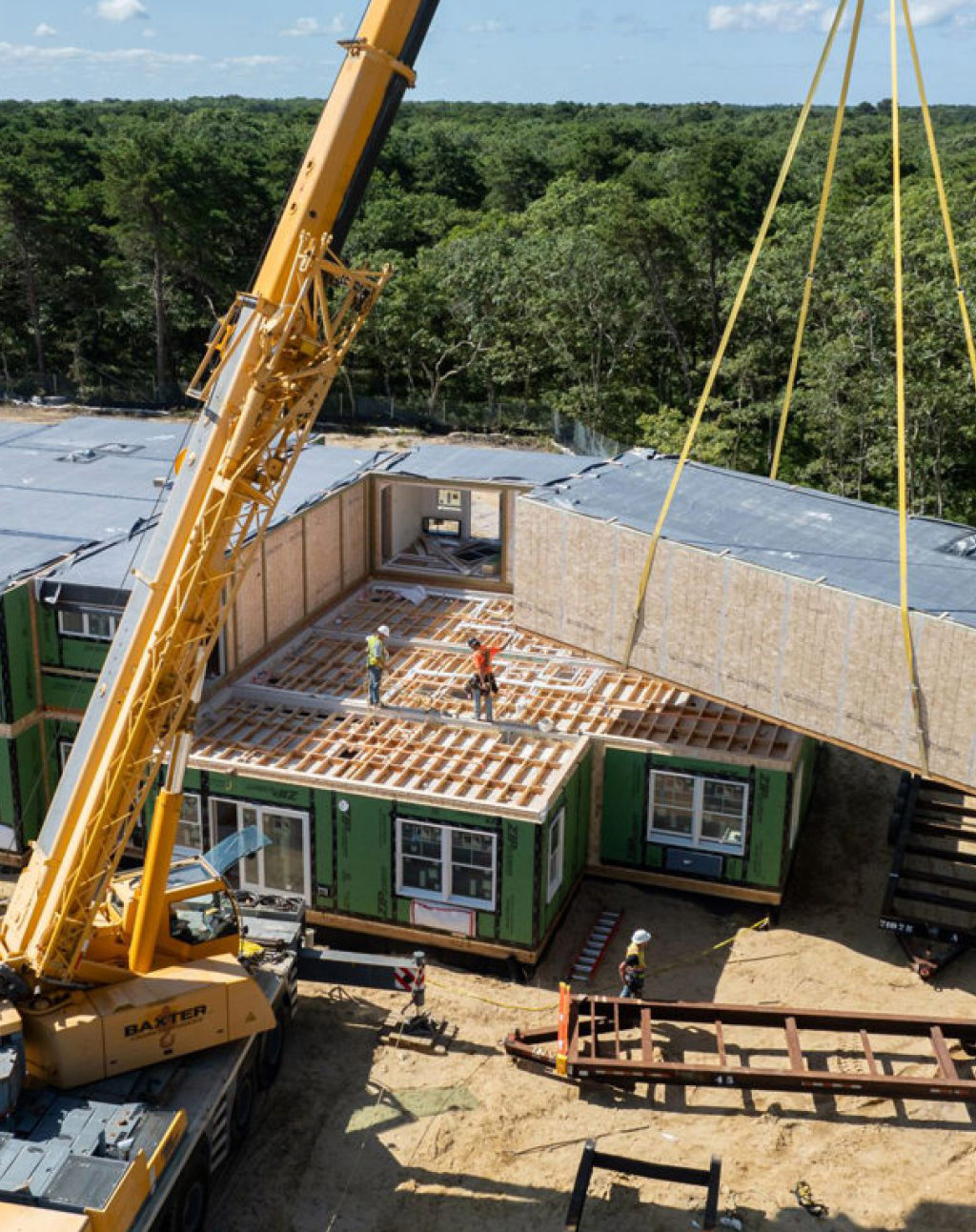
Modular construction changes what "fast" looks like. Units are built in a climate-controlled factory to the same state and local building codes as any site-built multifamily or townhome property, then delivered as finished residential buildings, not portable ones. The result is permanent housing with real bedrooms, real common areas, and real construction standards, built on a timeline that still works for markets where land, labor, and time are all in short supply.
The developers, hospitals, and housing authorities building workforce housing today are not looking for a stopgap. They need places their staff and residents will actually want to live in for years. Here's what that looks like in practice.
The Perception Problem: Why "Modular" Still Gets Mistaken for Temporary
Workforce housing has a branding problem, and it’s an old one. Decades of temporary, project-length job-site housing built the association, and that association has outlived the buildings that caused it. Every RC2 workforce housing module is manufactured under the same state building, electrical, plumbing, and mechanical codes that govern any traditional multifamily or townhome property, and each module carries a state-certification label before it leaves the factory.
Once modules are set on a permanent foundation, connected, and finished, there's nothing about the finished building that reads as temporary. Exterior materials, interior finishes, and code compliance match a site-built project next door. The factory process is what changes, not the standard the building is held to.
Built for Long-Term Living, Not Short-Term Housing
Workforce housing serves households earning roughly 60 to 120 percent of area median income: the teachers, healthcare workers, hospitality staff, and first responders a community depends on to function. Housing built for that population needs to hold up the same way any other long-term housing does: private bedrooms, functional kitchens, shared amenity space, and a layout that supports actual daily life rather than short-term occupancy.
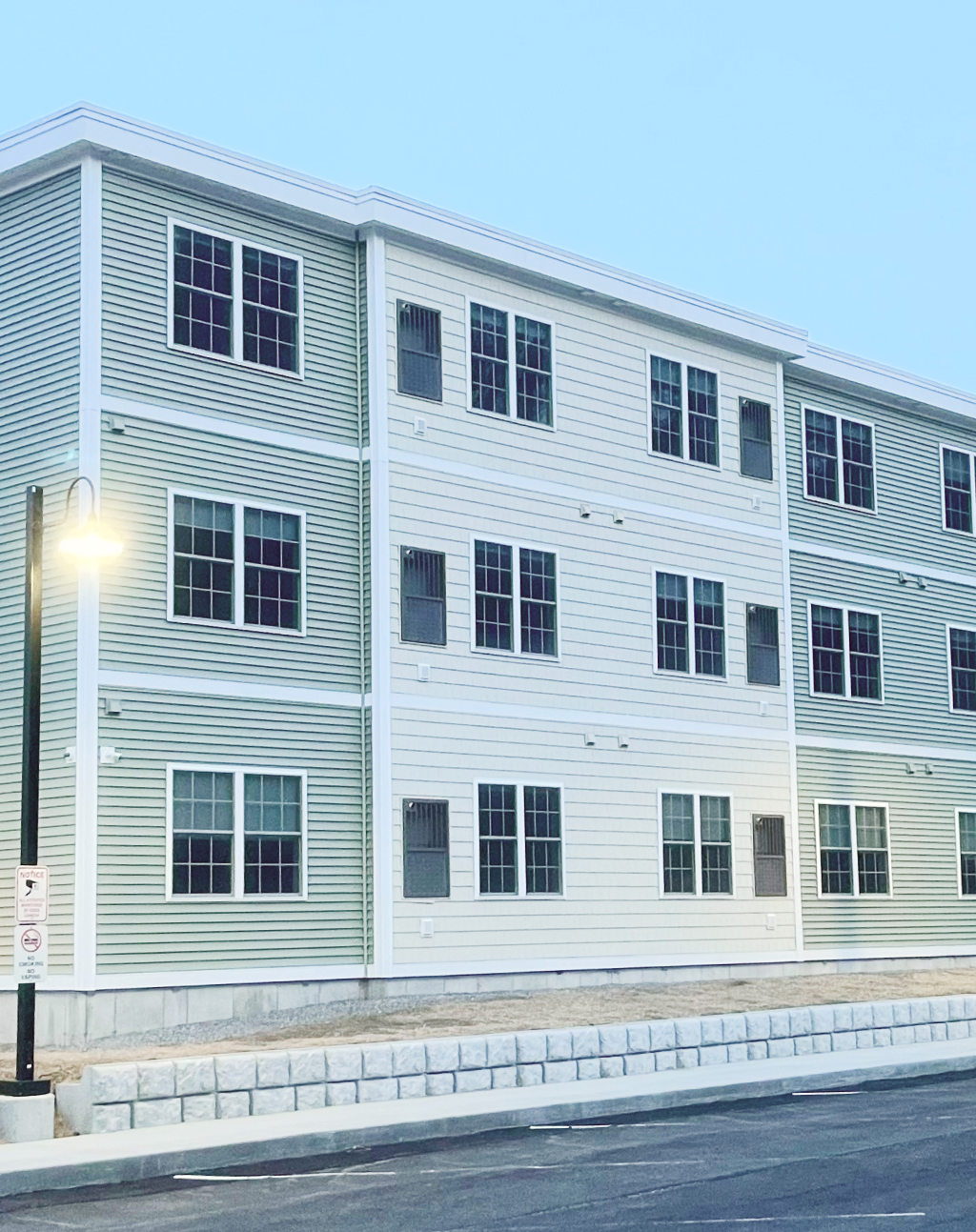
Spring Street Apartments in Newport, New Hampshire, is a useful example of what that looks like in practice. Sixty-six modular units came together as 21 living units across three stories, home to 42 residents and funded through the New Hampshire Housing Finance Agency. It looks like a standard three-story multifamily building, because that's what it is, built for people who plan on staying.
Faster Deployment Where Labor Markets Are Tightest
The markets with the worst workforce housing shortages are usually the hardest places to build fast: island communities, resort towns, and urban infill sites where land is scarce, construction seasons are short, and every available tradesperson is already committed to another project. Modular construction addresses that directly by moving the majority of construction into a factory that runs on its own schedule, independent of the site's weather, season, or local labor availability.
While modules are being manufactured, site crews prepare foundations and utilities in parallel instead of waiting on a sequential build. That compressed schedule is what makes workforce housing achievable in markets where a traditional timeline would miss the window entirely.
Cost and Schedule Certainty for a Long-Term Investment
Workforce housing projects are frequently financed through hospitals, municipal housing authorities, or nonprofit foundations working with fixed budgets and grant timelines that leave little room for cost surprises. Locking in pricing for roughly 90 percent of a project's modular scope at contract removes most of the change-order risk that drives traditional projects over budget, and it gives owners a firm number to plan financing around from the start.
That predictability matters as much as the finished building does. A workforce housing project that arrives on budget and on schedule is one a hospital, developer, or housing authority can commit to again. For more on how these numbers break down, see our post on why modular construction is the future of workforce housing.
In the Field: Martha's Vineyard Hospital Housing
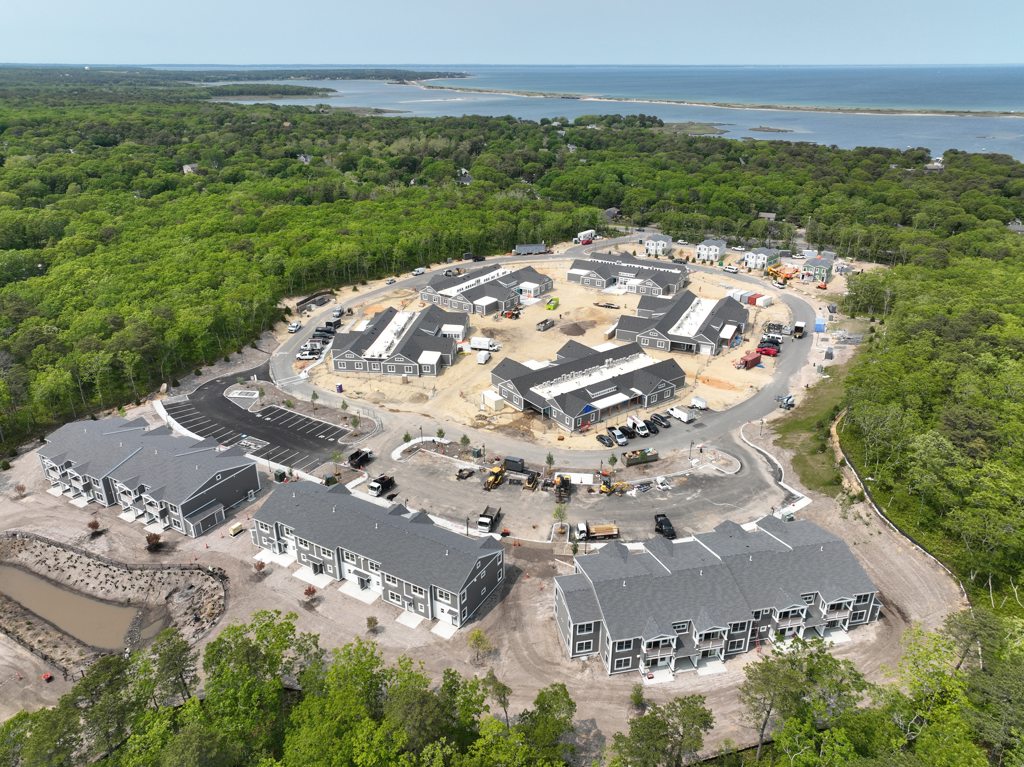
Martha's Vineyard is as constrained a labor market as they come. Land is scarce, the building season is short, and the cost of living has pushed the hospital staff the island depends on further and further from the island itself. Martha's Vineyard Hospital needed workforce housing that could be delivered on a real timeline without competing for the island's limited on-site labor.
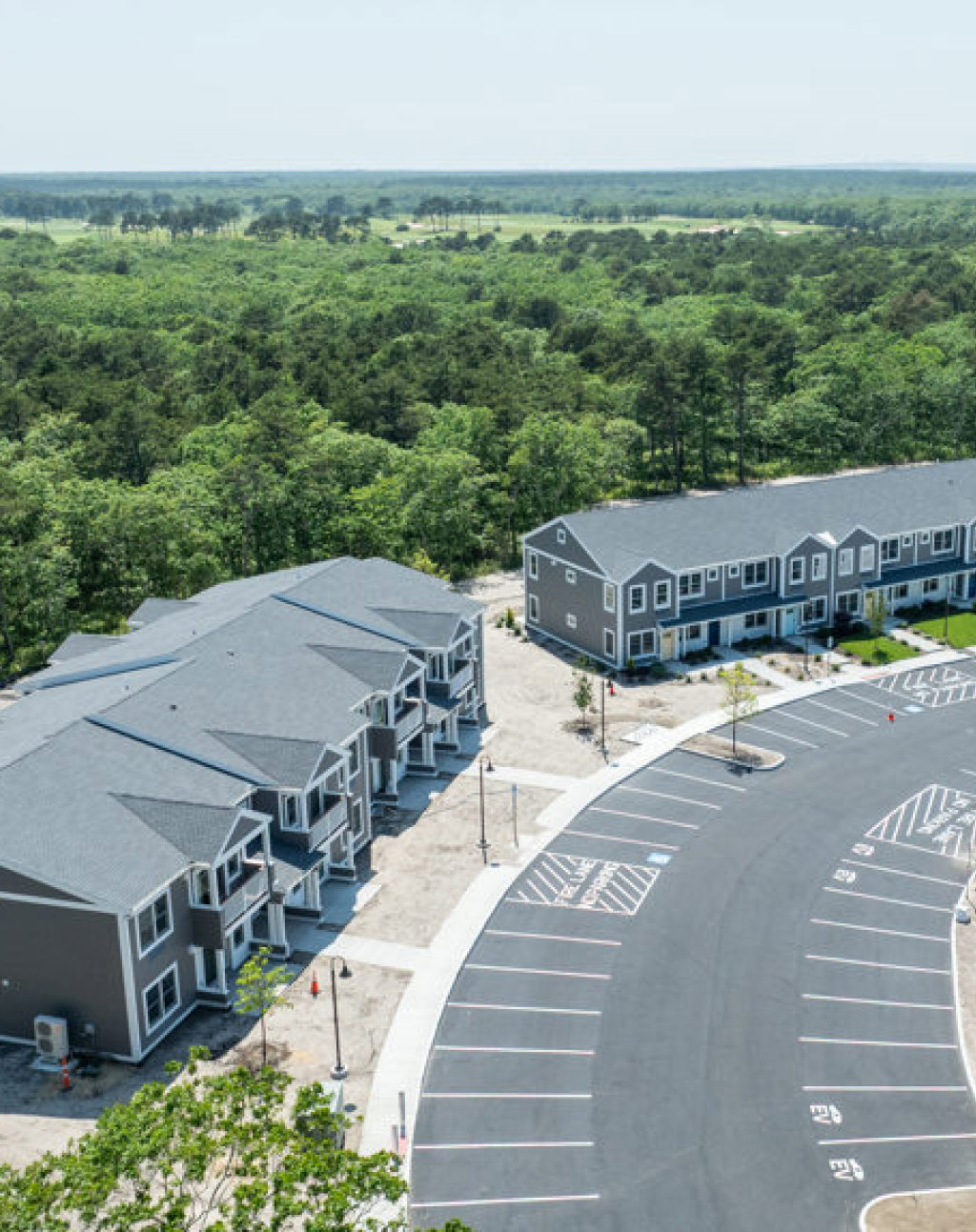
The project came together as 106 modular units across seven buildings, totaling 42,278 square feet, manufactured at RC2's Plant #2 and shipped to the island for final assembly. Manufacturing off-island meant the bulk of construction happened without drawing on Martha's Vineyard's own limited trade labor or losing time to the island's short building season.
Explore the full RC² workforce housing portfolio for more on how the team has delivered housing across similarly constrained markets.
Ready to Build in a Constrained Market?
If your organization needs to house staff or residents in a market where land, labor, or time are working against you, a factory-built approach is worth a conversation before you default to a temporary solution.
Contact the RC² team to discuss your workforce housing project.