
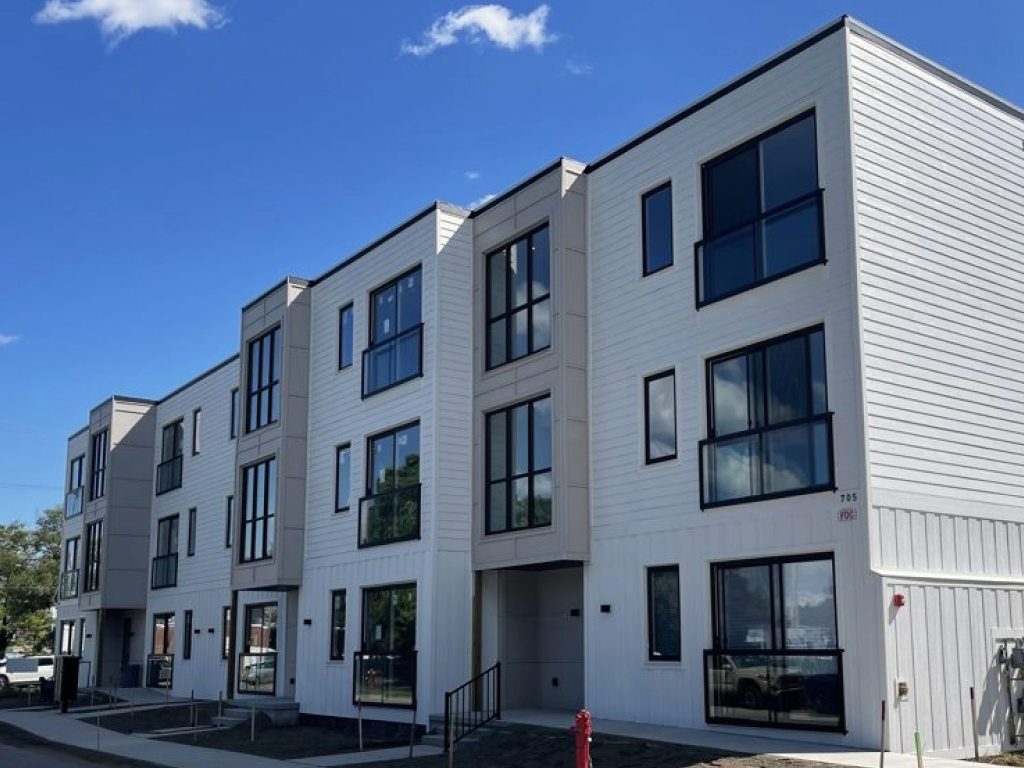
Schedule delays, budget overruns, quality inconsistencies, and logistics failures are familiar pressure points for any developer who has taken a project from drawings to delivery.
The question isn't whether risk exists. It's how much of it you can identify, control, and reduce before a single foundation is poured.
Modular construction addresses this question structurally. By moving the majority of the build process into a climate-controlled factory environment, RC2 gives developers a more predictable path from project kickoff to certificate of occupancy. Here's how that plays out across the four risk categories that matter most.
Schedule Risk: The Cost of an Unpredictable Timeline
In traditional site-built construction, the schedule is constantly exposed. Weather events, subcontractor delays, and sequential dependencies create a chain of variables that's difficult to control. A two-week delay in framing becomes a four-week delay in rough mechanicals. The compounding effect is a familiar frustration.
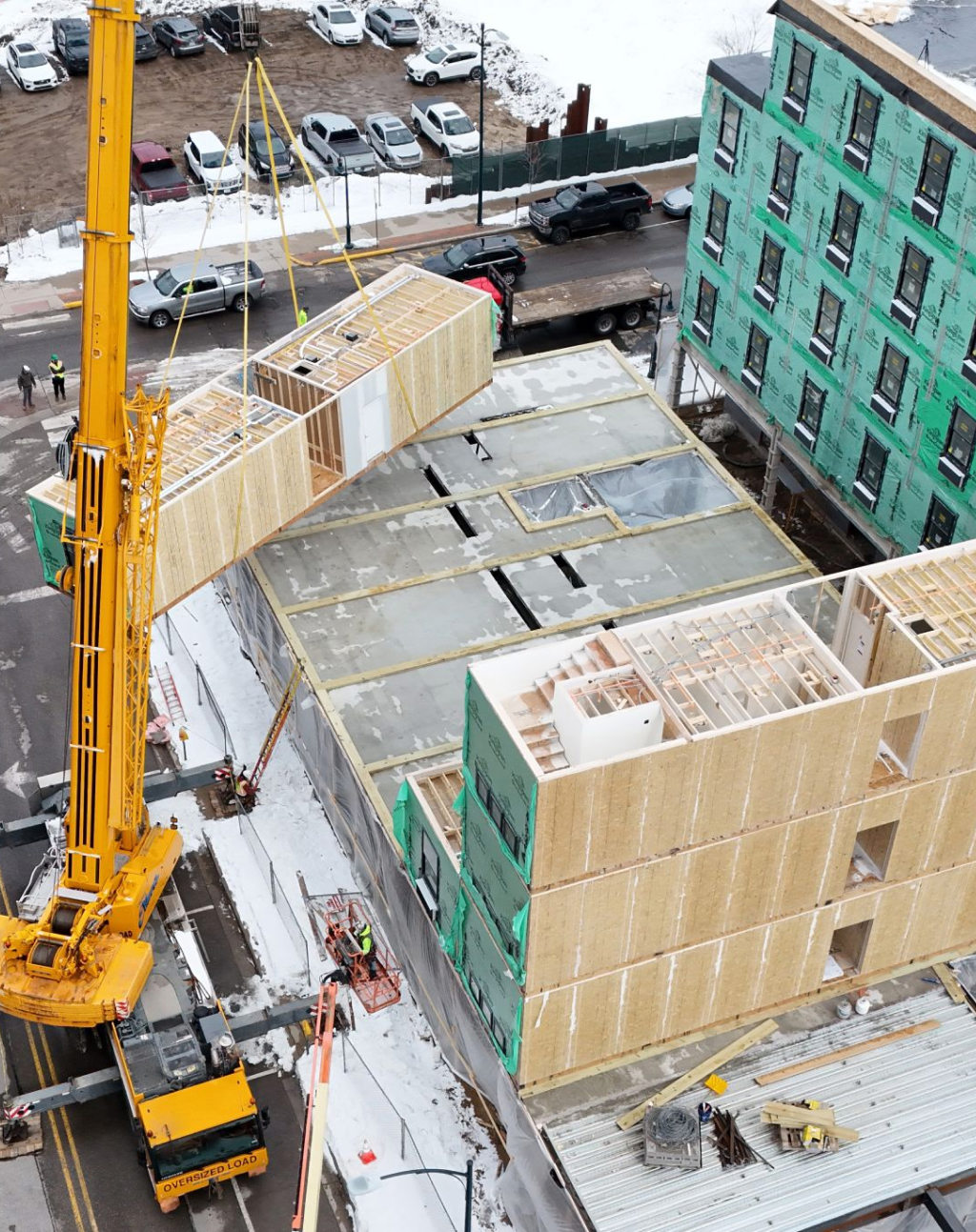
Modular construction breaks that chain. RC2 builds your modules in the factory while your general contractor prepares the foundation and site simultaneously. These two workstreams run in parallel, which compresses the overall project timeline considerably.
Weather is largely removed as a schedule variable. Material staging happens inside the facility, not on an exposed job site. And because the manufacturing process follows a structured production sequence, milestone dates are predictable from the start.
For developers managing lender draw schedules, lease-up timelines, or investor reporting requirements, that predictability has direct financial value.
Budget Risk: Controlling Costs Before They Escalate
Cost overruns on commercial projects rarely arrive all at once. They accumulate: a materials shortage here, a change order there, a weather delay that pushes a subcontractor into overtime. By the time the total is visible, the damage is done.
RC2's manufacturing model addresses budget risk at the source. Materials are procured and staged before production begins. The factory environment reduces waste and rework. And because the modular scope is fixed during the manufacturing phase, the costs associated with that scope are fixed as well.
That doesn't mean a modular construction project is immune to change. Site work, utility connections, and local permitting introduce variables that any experienced GC will account for. But separating the manufacturing scope from the site scope gives developers a clearer picture of where cost certainty ends and where contingency planning begins. That clarity is useful at every stage of a project.
Quality Risk: Consistency Across Every Unit
Quality control on a traditional job site is an ongoing management challenge. Work happens in varying conditions, across rotating crews, at different stages of exposure to the elements. Maintaining a consistent standard across every unit in a multi-unit development is difficult by design.
Factory construction changes that equation. Every RC2 module is built in the same controlled environment, by the same experienced production teams, to the same approved plans. Third-party inspectors have direct access to the production line throughout the build. Modules receive a state-certification label before they leave the facility, confirming that the modular scope meets all applicable building, electrical, plumbing, and mechanical codes.
For developers building apartment buildings, senior housing, workforce housing, or any project where unit-to-unit consistency matters, this level of inspection access and documentation is a meaningful advantage.
Logistics Risk: Delivery as a Variable You Can Control
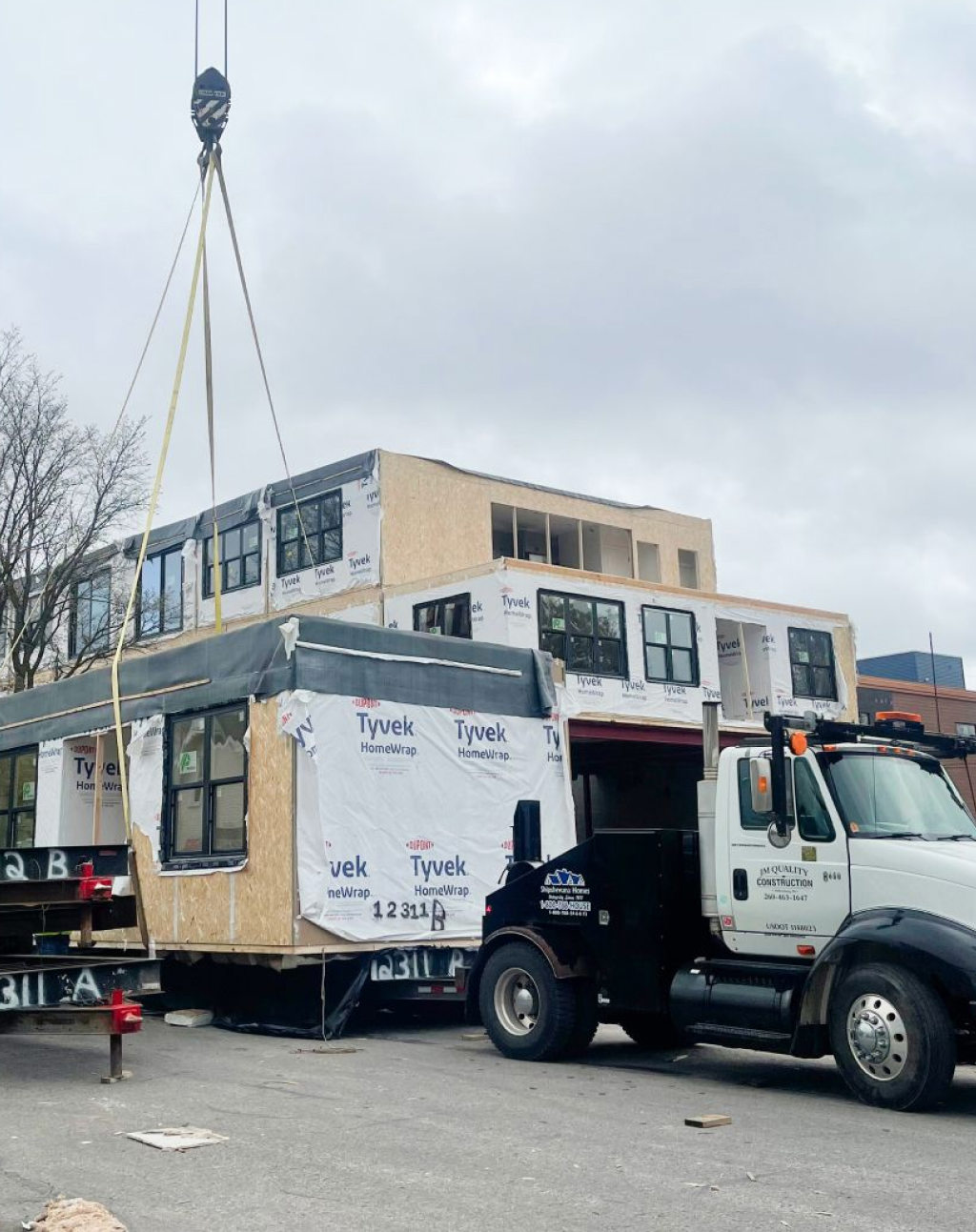
Module delivery is a high-exposure moment on any modular construction project. Coordinating heavy transport, crane access, site readiness, and installation sequencing requires precision. When logistics break down, the job site grinds to a halt.
RC2 manages this risk through Ritz-Trans, our integrated logistics team. Rather than coordinating delivery through a third-party carrier, Ritz-Trans handles module transport directly. That means one point of contact, a tighter chain of custody from the factory to the foundation, and delivery sequencing that's coordinated with your installation schedule rather than around it.
Site readiness is addressed in pre-construction. RC2 works with your GC during the pre-con phase to confirm that foundations, crane pads, and access routes are ready before modules are in transit. By the time your units arrive on site, the conditions for a clean installation are already in place.
Risk Reduction Starts Before the First Module Ships
The four risks above share a common thread: they’re most effectively managed before construction begins, not after problems surface. That's the core logic behind RC2's pre-construction process. Early alignment on design, permitting, manufacturing sequencing, and site coordination is what keeps projects on track once production starts.
Developers who engage RC2 early gain the most from this approach. The earlier the manufacturing and site workstreams are coordinated, the fewer variables remain unresolved when it matters most.
Talk to the RC2 Team
If you're evaluating modular construction for an upcoming commercial project and want to understand how RC2 manages risk across your specific project type, we're ready to have that conversation.
Contact the RC2 team to discuss your project.