
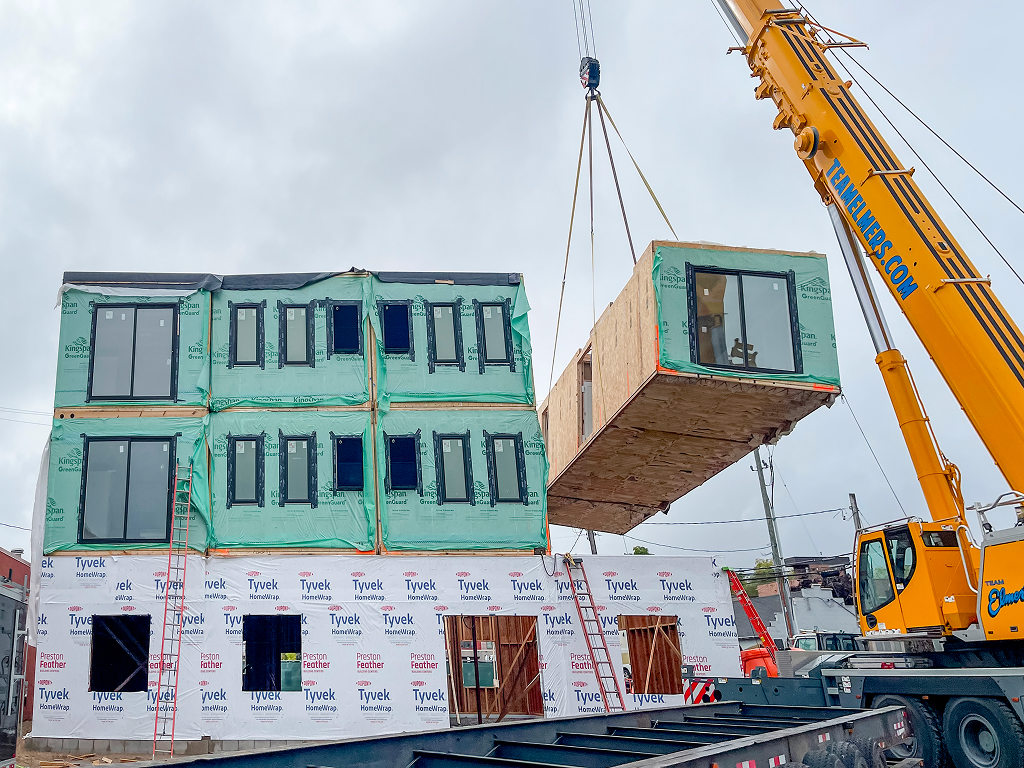
Modular construction brings predictability and speed to commercial building. The success of any project depends on clear coordination between professional teams. And while the factory environment removes weather, labor, and many of the traditional jobsite risks, every team still needs to know exactly when they own the work and when to hand it off.
At RC2, we're committed to building both physical structures and the trust and partnerships that move a project from a conceptual drawing to a completed building with absolute cost certainty. When roles and handoffs are clearly defined, the rest of the process gets dramatically easier.
Here is a breakdown of how responsibilities are shared across the architect, structural engineer, RC2, the general contractor, and the trades, phase by phase, from initial design through post-construction handover.
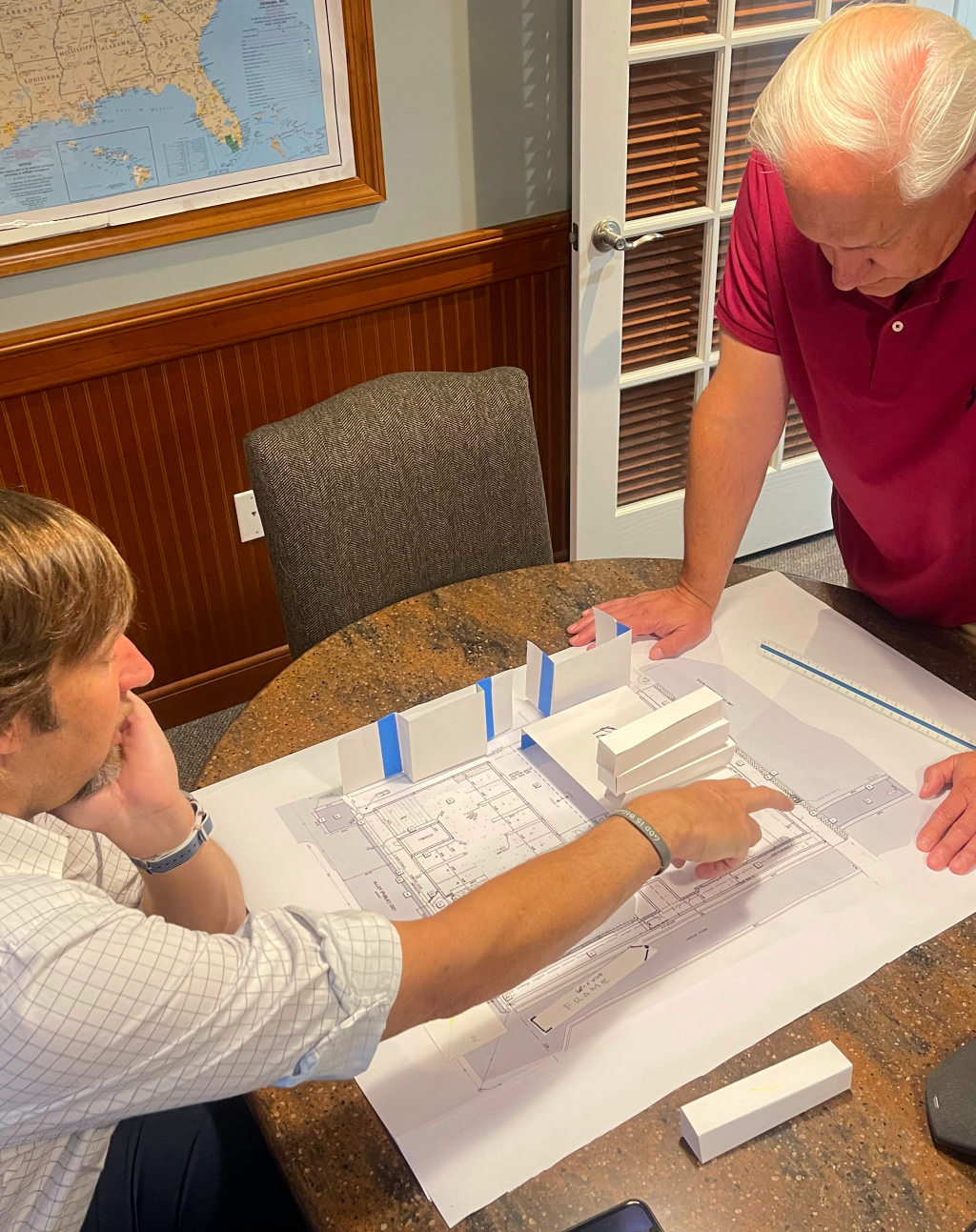
Why Modular Coordination Looks Different
On a traditional stick-build, design can keep evolving well after the slab is poured, and trades layer on top of one another in the field over many months. Coordination is largely a field activity.
Modular construction flips that. By the time the first module hits the factory floor, design is locked, shop drawings are stamped, MEP routing is finalized, and the GC has started site work concurrently. Coordination is largely a pre-construction activity. That’s where the 30 to 50% schedule gains come from, and where teams need to align earlier than they would on a conventional project.
Once everyone understands the shift, the org chart gets a lot easier to read.
The Design and Pre-Production Phase
The early stages of a project require close collaboration between the project architect, the structural engineer, and the RC2 team.
- The Architect: Leads the overall vision, site plan, and aesthetic direction of the building, and ensures code compliance. Works with RC2 to optimize the design for modular manufacturing. Module dimensions, transport widths, structural rhythms, and finish locations all influence the floor plate.
- The Structural Engineer: Manages site-specific engineering, including the foundation and the connection points where the modules meet the ground. Modular structural design also accounts for two additional considerations: transport loading (modules have to survive the road) and lift loading (they have to be set safely).
- RC2: Provides feasibility consultations, free cost estimates, and detailed shop drawings that translate the architectural vision into precise manufacturing blueprints. We run the OAC (Owner, Architect, Contractor) meetings that finalize every detail before production begins.
- The General Contractor: Brings site logistics, civil scope, and an early read on permitting. The GC's input on site access, crane positioning, and utility tie-ins shapes the modular design more than most teams expect.
- The Owner / Developer: Holds the program, budget, and approval gates.
The defining handoff in this phase: design has to freeze earlier than on a stick-build. That single discipline pays for itself many times over later in the project.
The Manufacturing Phase
Once the design is finalized and the contract is executed, the project splits into two concurrent paths to save time.
- RC2: Manages the entire scope of the modular build inside our manufacturing facilities: framing, plumbing, electrical, and interior finishes. Building indoors removes weather and labor shortages from the equation, and our 1,560,000 square feet of production space delivers the kind of consistency a traditional jobsite struggles to match.
- The General Contractor: While we’re building modules in the factory, the GC is active on the jobsite: excavation, pouring the foundation, and preparing site utilities.
- The Architect and Owner: Welcome on factory walk-throughs to confirm finishes and details before modules ship.
- Trades: Mobilize for site-installed scopes (exterior finishes, roofing tie-in, MEP rough-in at module connections) so they’re ready when modules arrive.
Delivery and Logistical Control
The transition from the factory to the site is a critical handoff point.
- RC2 and Ritz-Trans: Because we use our sister company, Ritz-Trans, we maintain unparalleled control over the delivery schedule. We sequence modules in the order they need to be set, aligned with the GC’s schedule.
- The General Contractor: Ensures the site is ready for the arrival of the modules, including crane access, traffic management, and clear delivery routes.
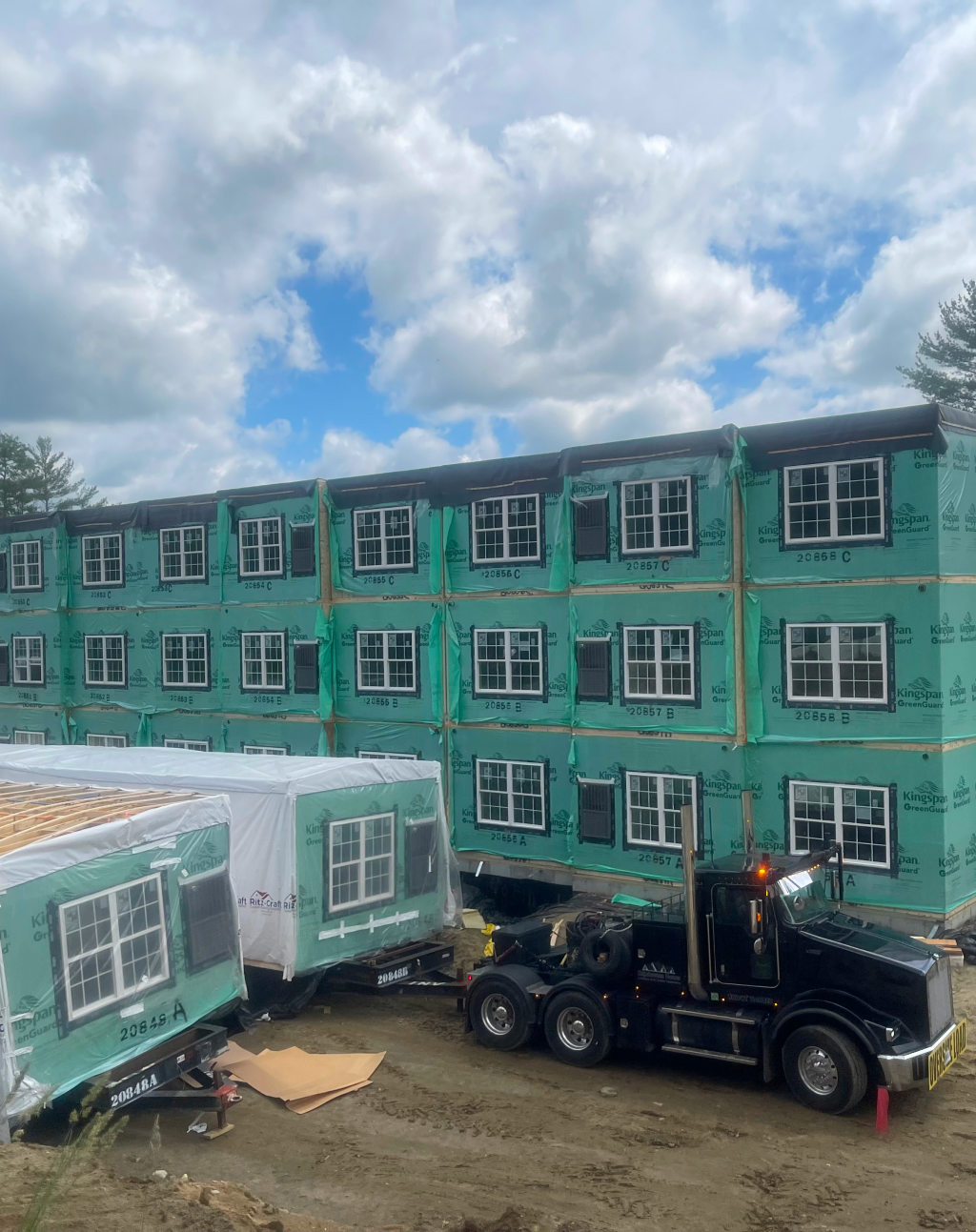
Site Assembly and Installation
This is where the physical building comes together. It’s also the most coordinated moment of a modular project.
- The Installation Team: RC2 or a specialized set crew cranes the modules onto the foundation. The primary structure is often complete in a matter of days.
- The General Contractor and Trades: Once the modules are set, the GC manages the "button-up": module-to-module connections, MEP tie-ins, roofing, exterior closeout, and any site-built components like stairwells or elevators.
- The Architect: Runs design observation and punch.
- The Structural Engineer: Inspects critical connections.
What used to take months of weather-exposed framing happens in days. That schedule compression rests on the coordination work done in the earlier phases.
Post-Construction and Handover
The final phase focuses on quality assurance and project closeout.
- RC2: Conducts a final walk-through of the modular scope, delivers factory warranty packages, manuals, and as-builts, and makes sure everything meets our standards for durability and craftsmanship.
- The General Contractor: Completes final site work, landscaping, interior touch-ups, and the certificate of occupancy.
- The Architect: Signs off on final design conformance.
- The Owner / Developer: Takes possession of a high-quality, energy-efficient building delivered 30% to 50% faster than traditional methods.
Why Clear Coordination Matters
Strip away the phase-by-phase detail and modular construction coordination comes down to a few simple ideas. The modular scope has a single point of accountability: RC2. The site scope has a single point of accountability: the GC. The architect and engineer keep their traditional roles, with one new expectation: collaborate with the modular partner earlier than you would with a typical sub.
Decisions move forward in time, and confidence builds with them. Clear communication keeps the site calm, the budget steady, and the schedule on track, giving developers the cost certainty that modular promises. By defining these handoffs early, we provide our clients with a seamless path from the factory floor to the finished property.
Build On With a Partner Who's Done It Before
For more information on our process and how we partner with your team, visit our How We Work page or explore our Frequently Asked Questions.
Ready to see the RC2 advantage for yourself? Learn more about why developers choose RC2.