
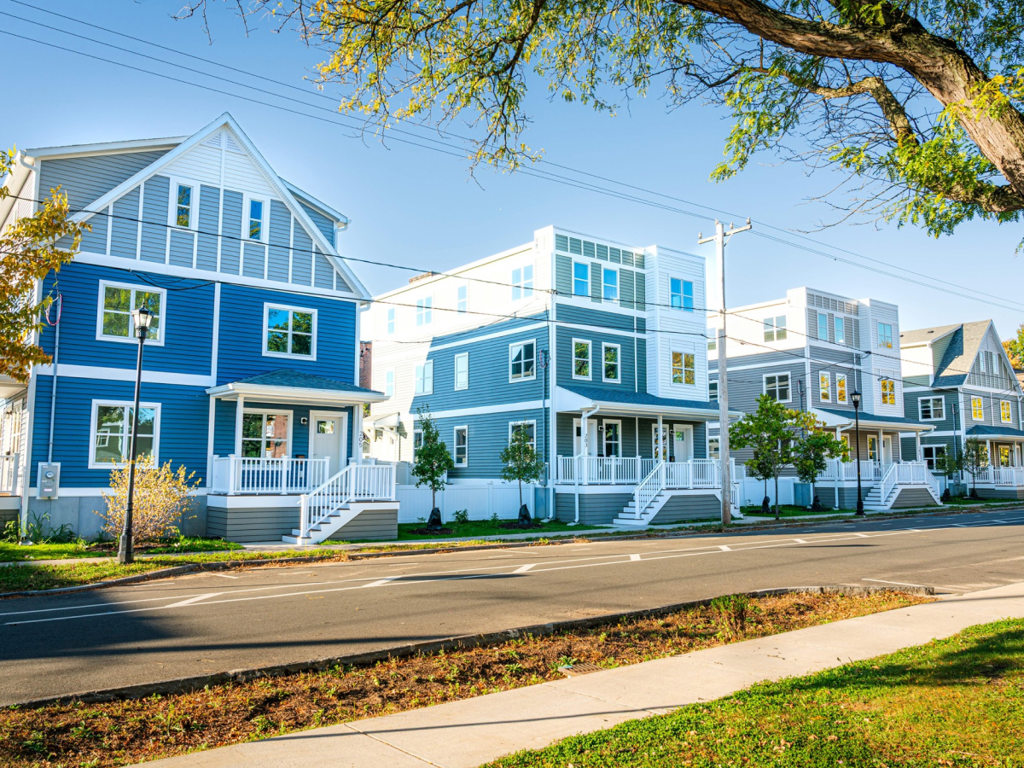
The margin for error is shrinking for commercial developers. Rising interest rates, volatile material costs, and labor shortages are putting immense pressure on project pro formas. In this environment, the how of your build is just as important as the what.
While traditional stick-built construction has been the default for generations, commercial modular construction has emerged as a powerful alternative for multi-family, hospitality, and student housing projects. But is it right for your specific project?
To help you decide, we're breaking down modular and traditional construction in a side-by-side comparison across the four metrics that matter most: schedule, cost certainty, quality, and risk.
Schedule: Linear vs. Concurrent Construction
Traditional Construction (Linear): The schedule is sequential in a site-built project. You can’t frame until the foundation is poured and cured. If site work is delayed due to weather, permitting, or excavation issues, vertical construction is pushed back indefinitely.
Modular Construction (Concurrent): Modular construction decouples the building process. While your site team grades the land and pours the foundation, RC2 is manufacturing the building modules simultaneously. By the time the foundation is complete, the building is ready for installation.
The Winner: Modular. By overlapping these timelines, modular construction can accelerate project schedules by 30% to 50%, allowing for faster occupancy and quicker revenue generation.
Cost Certainty: Variable vs. Fixed
Traditional Construction (Variable): Traditional budgets are often estimates that evolve. They're susceptible to "creep" caused by inclement weather, subcontractor change orders, material theft, and fluctuating commodity prices during a long build cycle.
Modular Construction (Fixed): Because the building is defined and engineered before manufacturing begins, the cost is much more predictable. We purchase materials in bulk and store them in our facility, protecting your project from short-term market spikes.
The Winner: Modular. While the upfront sticker price may look similar, modular offers superior cost certainty, reducing the risk of ballooning budgets in the final months of a project.
Quality Control: Field vs. Factory
Traditional Construction (Field-Dependent): Site-built quality relies heavily on the skill level of the specific subcontractors available on a given day. And lumber and framing materials might be exposed to rain, snow, and humidity during the framing process, leading to warping or mold issues later.
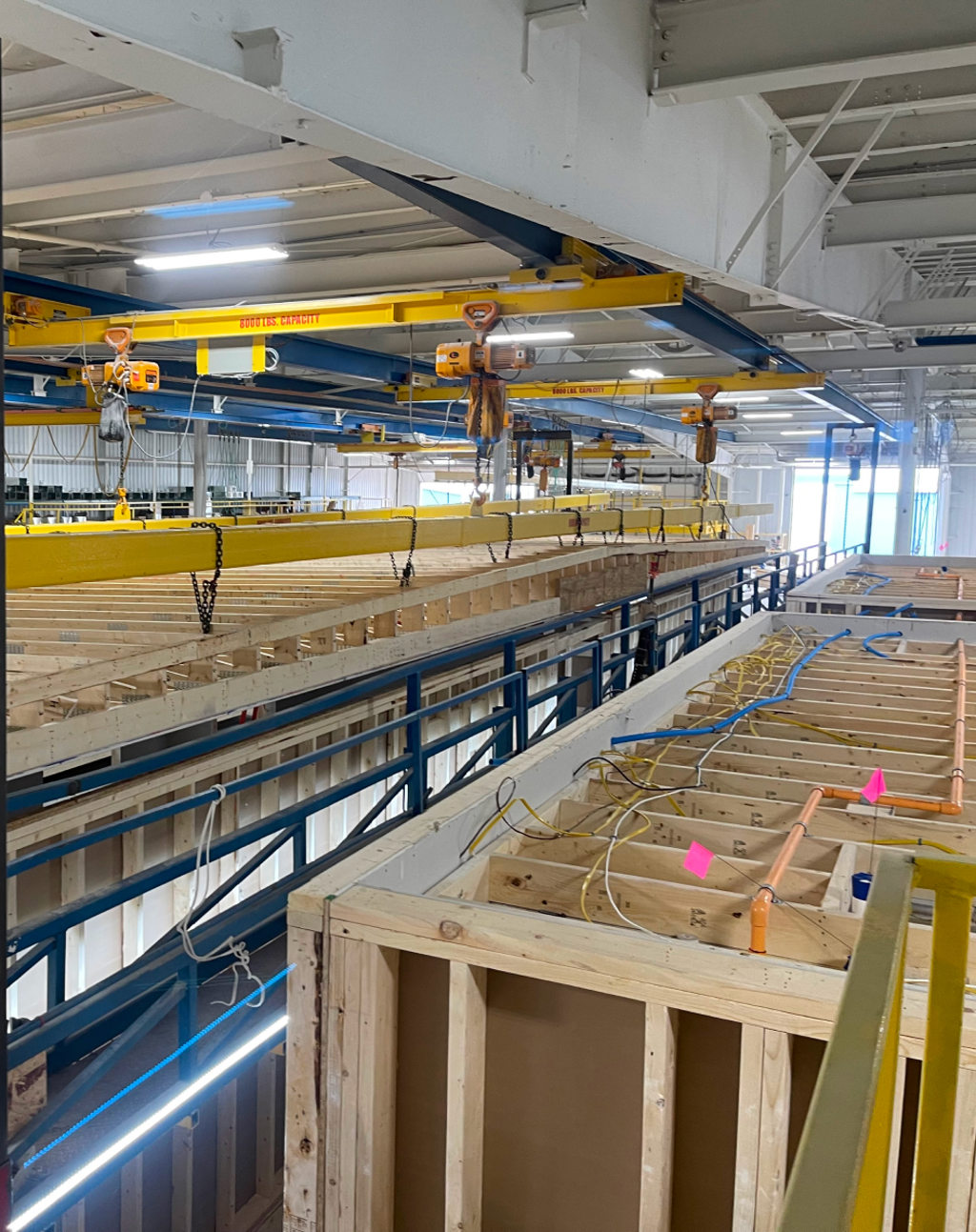
Modular Construction (Factory-Controlled): RC2 modules are built indoors in a climate-controlled environment. Materials stay dry and straight. Our workforce is stable, and every module undergoes rigorous quality control inspections at each station on the line — plumbing, electrical, framing, and finish — before it ever leaves the plant.
The Winner: Modular. The factory environment produces a tighter building envelope and consistent finishes that are difficult to replicate in the field.
Site Impact: Disruption vs. Efficiency
Traditional Construction (High Impact): A conventional site is a hub of noise, traffic, and waste for months or years. This can be a major liability in dense urban areas or tight infill lots where neighbors and municipalities are sensitive to disruption.
Modular Construction (Low Impact): Because 90% of construction occurs off-site, on-site time is drastically reduced. There are fewer material deliveries, less noise, less waste, and a smaller crew required on location.
The Winner: Modular. It's the "good neighbor" approach to development.
Navigating the Trade-offs of Modular Construction
To make an informed decision, you have to trade the speed, quality and certainty of modular construction for the following.
- Design Freeze: Unlike traditional construction, where you can make changes on the fly, modular requires all design decisions to be locked in before manufacturing begins.
- Cash Flow: Modular often requires more capital upfront for deposits and materials, where traditional construction follows a monthly draw schedule.
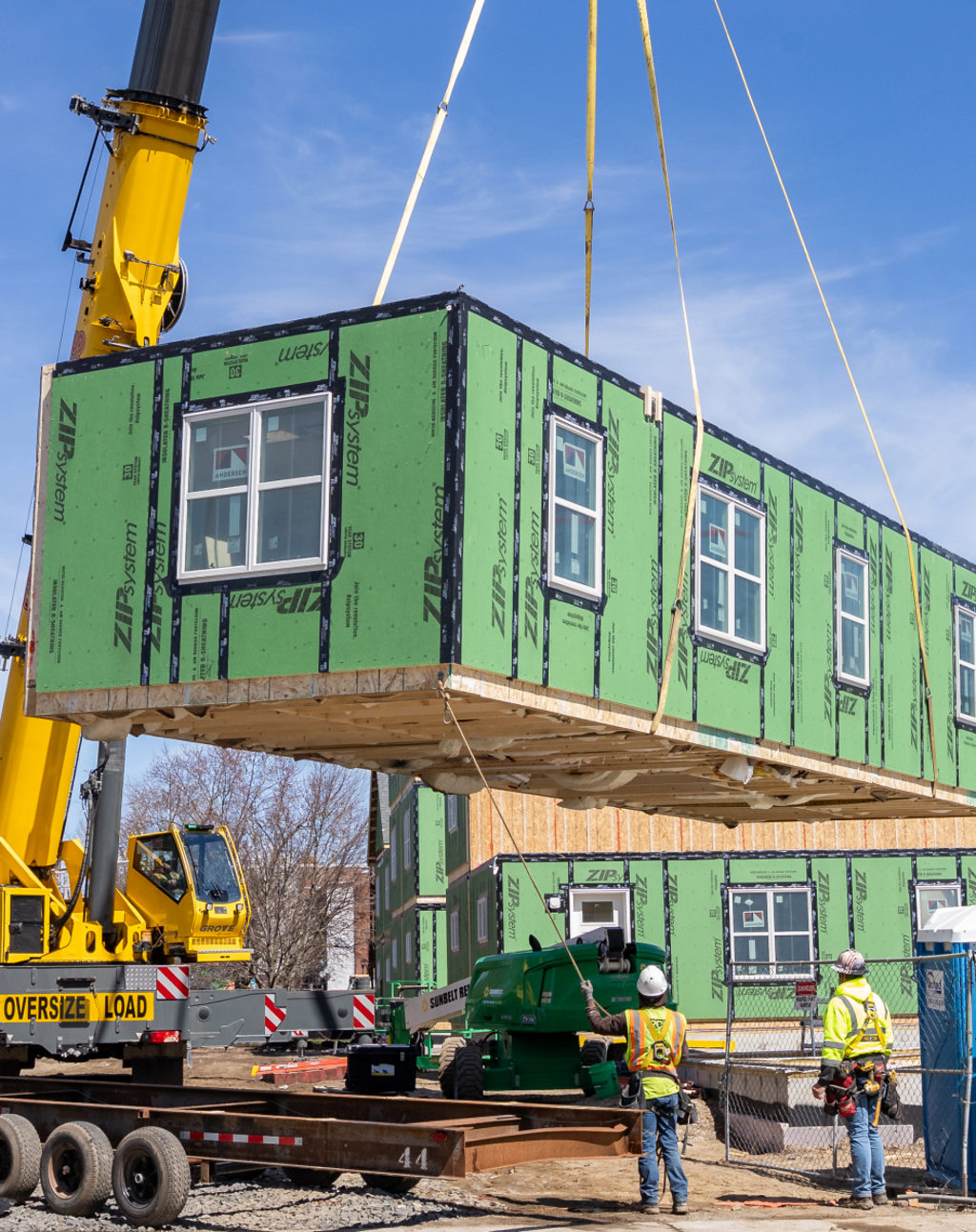
- Logistics: The site must be accessible for the cranes and trucks required to set the modules.
However, for developers who plan ahead, these trade offs actually enforce a more disciplined, organized, and efficient project workflow.
The Decision Framework: When to Choose Modular
If you’re still on the fence, use this simple checklist. RC2 is likely the right fit for your project if:
- Revenue is Time-Sensitive: You need to open before a specific deadline (e.g., the start of a fall semester for student housing).
- Design is Repeatable: Your project involves stacked, repeatable units like apartments, hotels, or dormitories.
- Site is Constrained: You’re building in an urban environment with limited space for material laydown.
- Labor is Scarce: You’re building in a market where finding reliable subcontractors is difficult or expensive.
Let’s Analyze Your Next Project
Comparing modular vs. traditional construction isn't about finding a winner; it's about finding the best fit for your business model.
If you're looking to mitigate risk and speed up your ROI, let’s start a conversation. Check out our FAQs for more details, or contact us today to discuss your next project.