
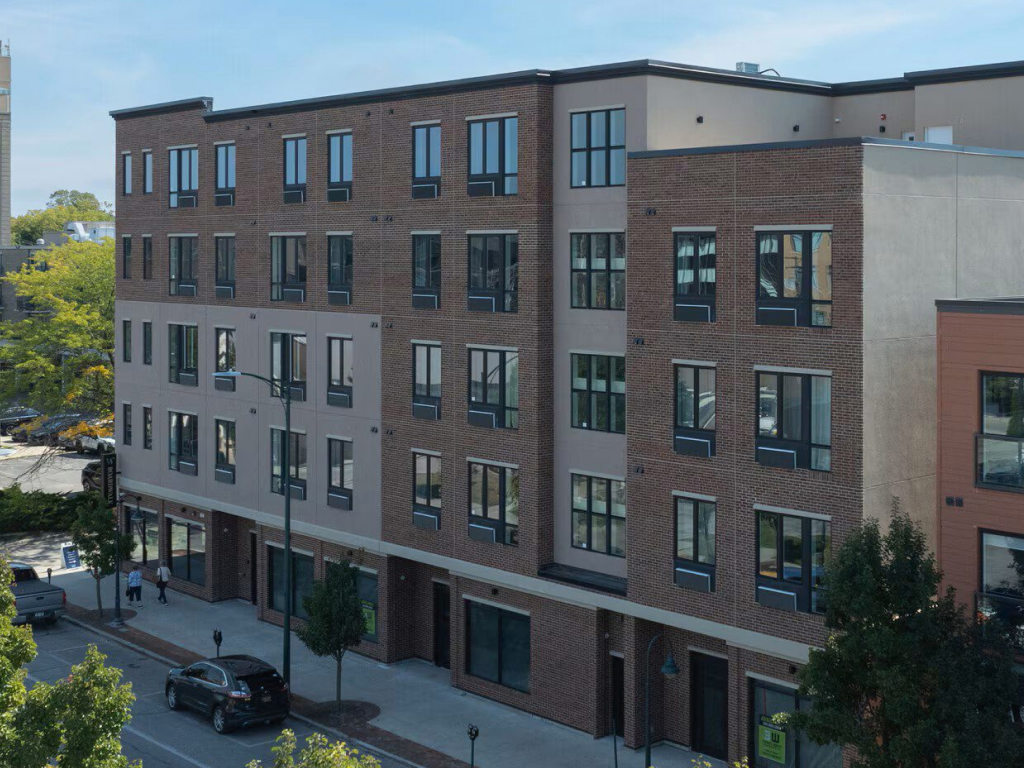
How long will it last? It's one of the first questions owners ask about modular construction, and it's usually followed by a second one: What does it take to keep it running?
The answers are simpler than most people expect. Modular commercial buildings are built to the same building codes and standards as traditionally constructed buildings, so they age, wear, and get maintained in the same way. What's different is how the building is put together – and a few of those differences stay with the building for its whole life.
Here's what to expect for service life, maintenance, renovation, and long-term value.
Built to Code, then Built for the Road
Each modular unit endures significant stresses during transportation and installation, including highway travel at 55 mph or more, and crane lifts hundreds of feet in the air. These demanding conditions are a testament to the robust engineering and structural integrity of modular construction.
A modular unit may weigh 15,000 to 20,000 pounds, and when it's properly rigged for lifting, that weight concentrates at a few lift points. To withstand the stresses of crane installation, each module is built with a robust floor system incorporating LVL framing members and 1-inch-plus floor decking that is both glued and mechanically fastened to the floor joists. Likewise, the exterior wall sheathing is glued and nailed to the stud framing, creating a strong, rigid structure.
That extra structure exists to get the module to the site and set it in place. Once the module is on the foundation, the building is held to the same code requirements as any other building. From that point on, it performs like any code-built structure, and it's maintained like one.
Advantages Built into Every Module
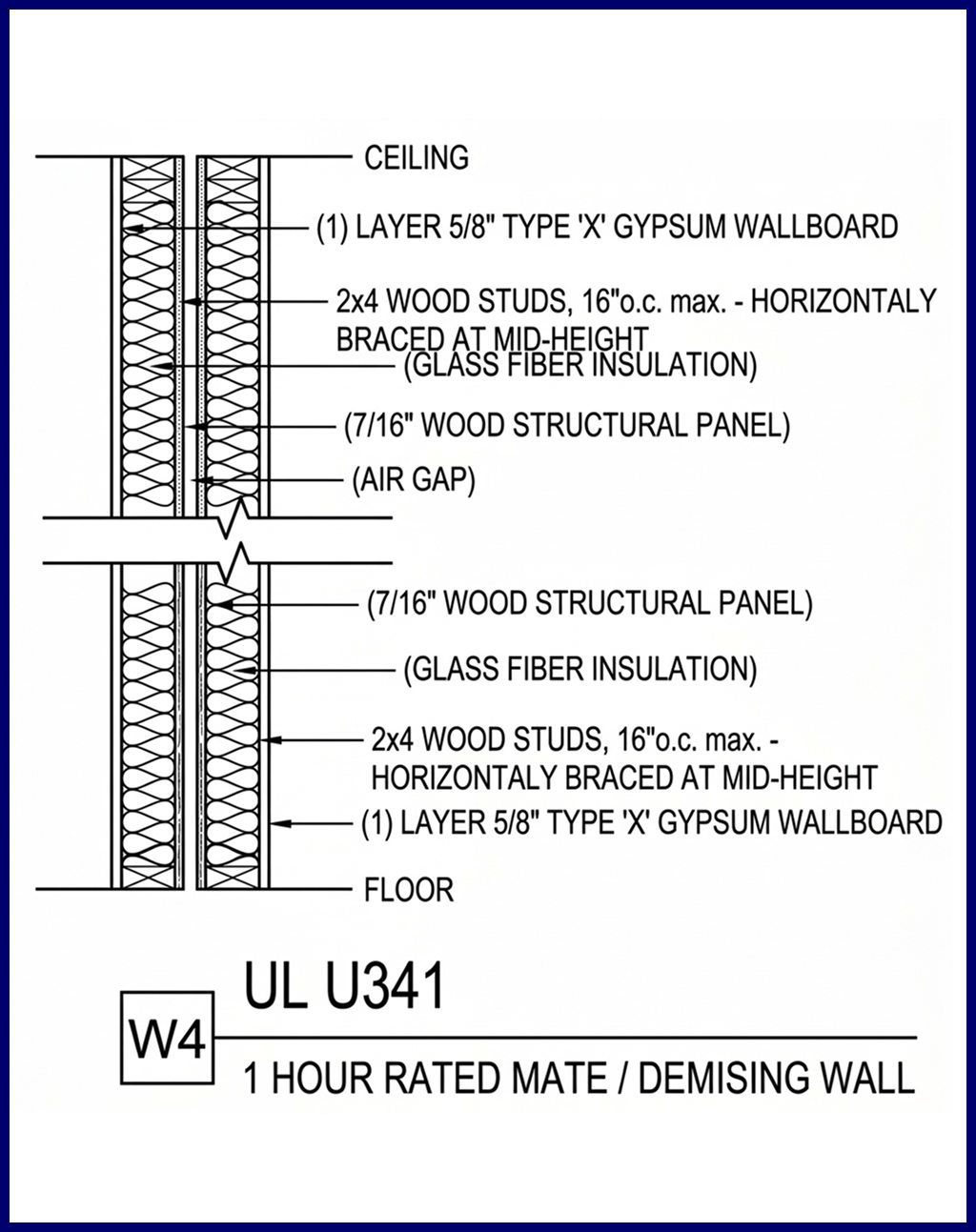
Because each module is built structurally independently, each module has its own floor, ceiling, and walls. Where two modules meet, two walls sit side by side, and between stories there's a separate floor-and-ceiling assembly. That duplication increases the sound transmission classification (STC) rating between units, which matters to tenants in multifamily buildings, student housing, senior living, and hotels. Each demising wall is insulated, which increases the sound attenuation between living spaces.
The trade-off is a slightly taller and possibly slightly larger building footprint, since two assemblies take more room than one.
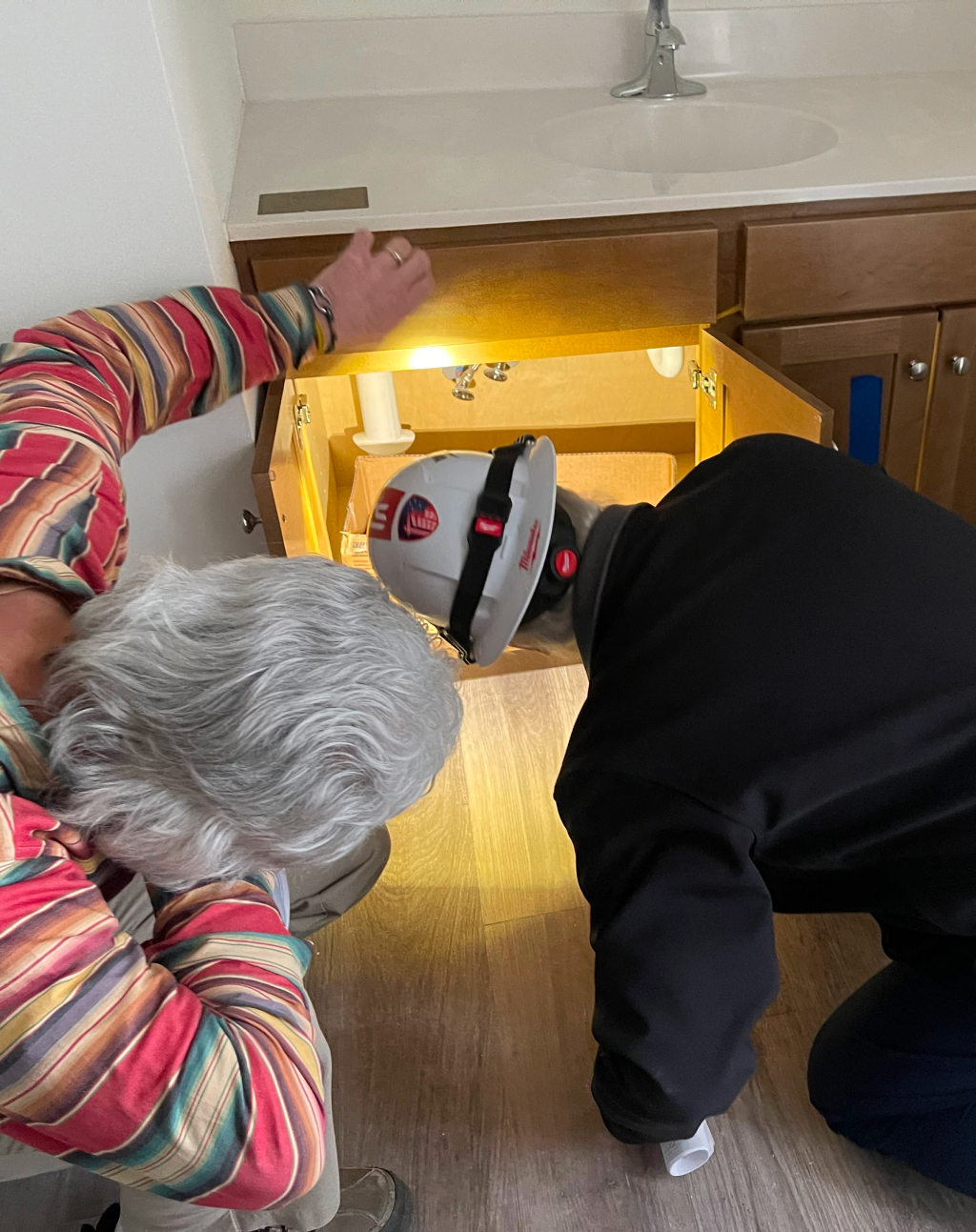
Quality control also happens before the building is ever enclosed. In most states, the law requires modular manufacturers to retain a third-party agency that inspects work inside the plant. Each module moves through production stations with an inspection document, called a traveler. Once the module passes, it receives a state insignia label, usually placed inside a closet or cabinet. The local building official looks for that label on site, and it stays with the building as a record that the module was inspected against the approved plans.
What Service Life to Expect
There's no single lifespan number for a modular-constructed building, any more than there is for a site-built one. Service life depends on the materials specified, the climate, how the building is used, and how well it's maintained.
A building's service life is the sum of its parts, and each part carries its own manufacturer warranty. Roof shingles and EPDM roofing membranes, for example, carry warranties that range from 10 or 15 years to 25 to 50 years or more, depending on the product. Some vinyl windows carry a lifetime warranty on the frame and a 10-year warranty on the glass. Appliances and mechanical equipment come with their own manufacturers' coverage. Each component is maintained, repaired, and replaced on its own schedule.
RC2 backs its own workmanship with a warranty that typically runs one to two years after installation. That window matters because a general contractor may still be finishing the building for months after the modules are set.
What Maintenance Looks Like
Maintaining a modular building is the same as maintaining a site-built one. The routine list doesn't change:
- Roof and flashing inspections
- Sealant and caulk at windows and doors
- HVAC servicing and filter changes
- Water heaters and plumbing fixtures
Renovation and Expansion
Modular construction leaves room to grow. Modules can be added or reconfigured to match an owner's changing needs, and some projects are planned with that in mind, with later buildings or units released as funding or demand allows.
Interior updates work the same as in any building. Finishes, fixtures, and equipment can be replaced on a normal renovation cycle. Changes that open walls between modules or affect the connections that tie modules together should be reviewed by an engineer, the same way any structural change would be.
Long-Term Value Starts on Day One
Lifecycle economics starts before the building opens. Modular projects typically finish 30 to 50 percent faster because modules are built while the site is prepared, and a shorter schedule means less time carrying construction financing and an earlier start to operations. Costs are generally comparable to, or lower than, traditional construction.
After that, value comes from predictability: a building held to the same codes, maintained on the same schedule, with sound and insulation benefits built into every module.
It also comes from a manufacturer that keeps learning. After every project, RC2 runs postmortem reviews and turns the lessons learned into a continuous improvement program, which is shared with the operations team before the next build.
Every RC2 project moves from collaborative design through ongoing support after the building is complete. Talk with the RC2 team about how your building will perform over its full life.