
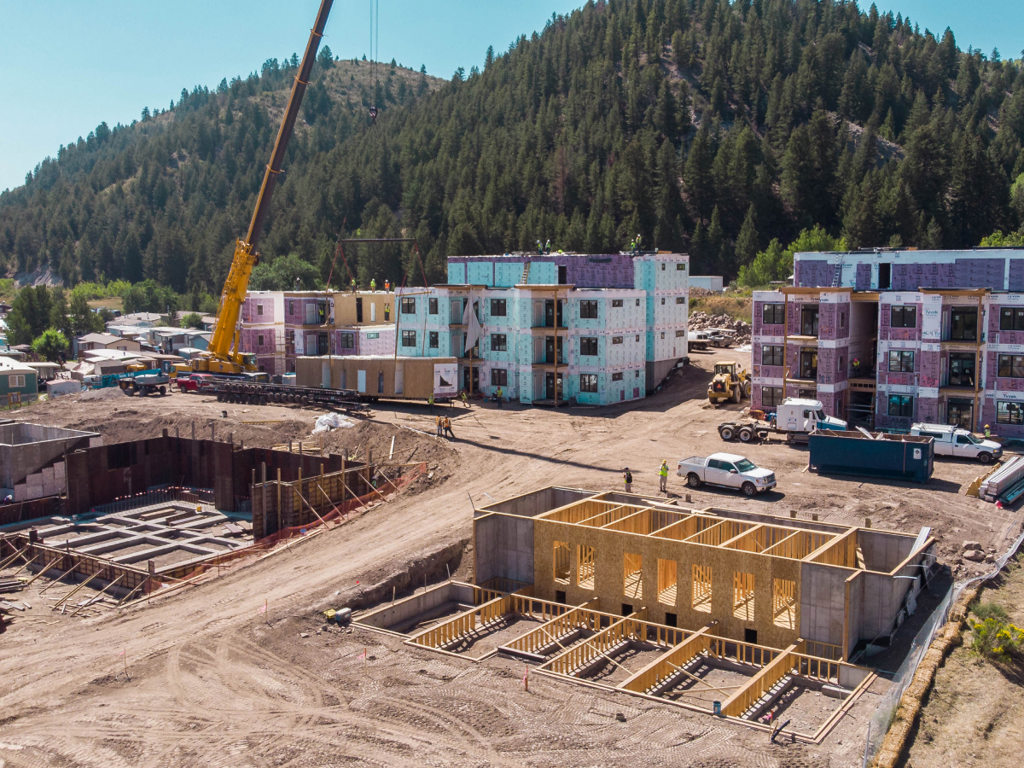
A successful commercial modular project isn't just about what happens inside the factory. It's about the handoff between the manufacturing floor and the final site. At RC2, we achieve 50% faster completion times by running the factory production and site work at the same time.
To hit those deadlines, site readiness is non-negotiable. When the modules roll, the stage must be perfectly set. Here’s how we define roles, manage logistics, and prepare for a seamless installation day.
Defining the Roles: GC vs. RC2
Clarity is the foundation of the "Build On" philosophy. To keep the project moving, we establish a clear division of labor from day one.
- The RC2 Scope: We manage engineering, factory construction, module transportation, and module installation. We provide the "single point of accountability" for the modular units themselves, so they meet every spec and quality standard before they leave our 100,000+ square-foot production space.
- The General Contractor (GC) Scope: The GC manages the site-built portions of the project. This includes the foundation, site utilities, and final finish work once the modules are set.
The Foundation: Precision is Mandatory
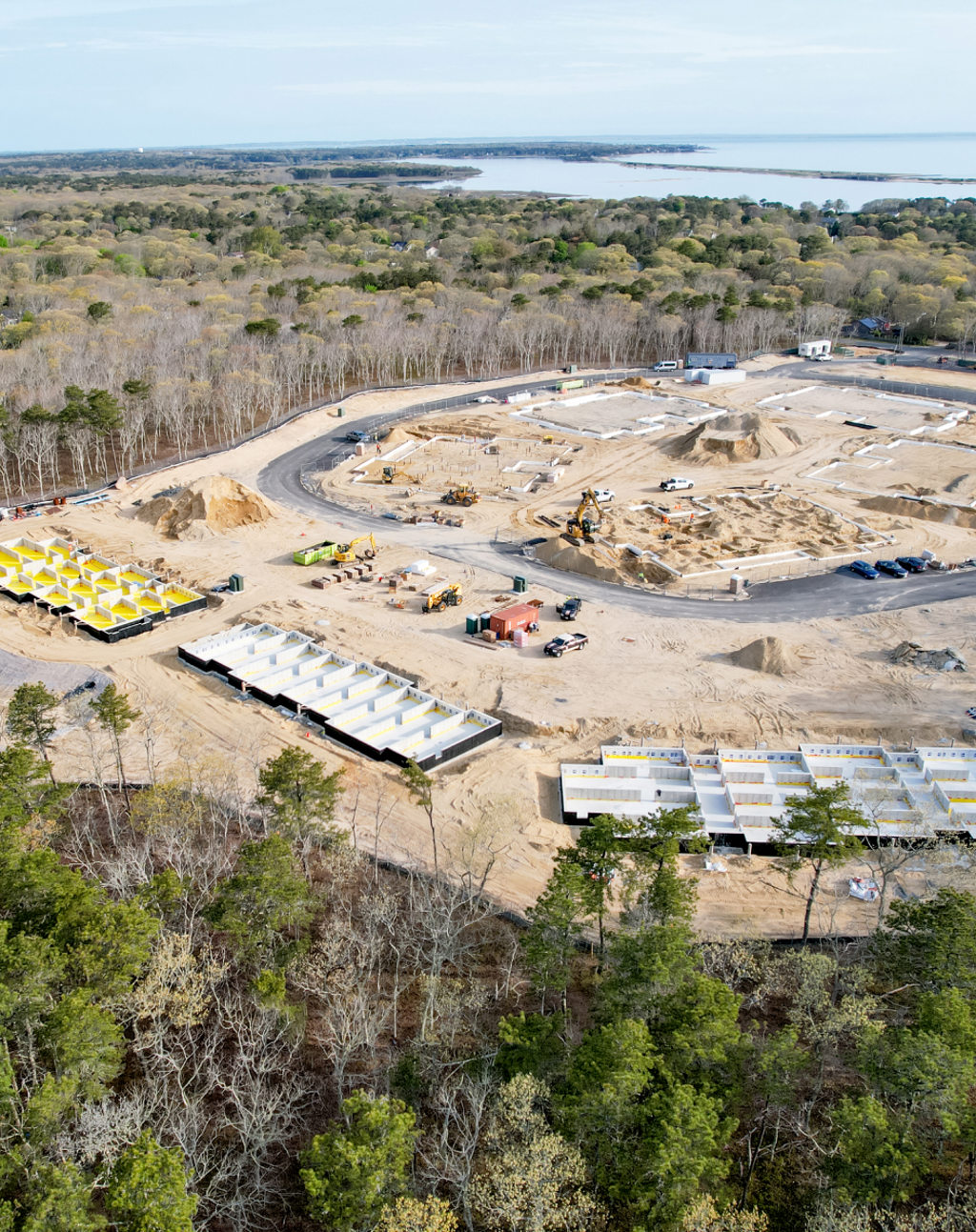
In site-built construction, a slightly out-of-compliance foundation can often be "fixed in the field." In modular construction, that’s not an option. Because our modules are engineered and constructed to exact tolerances, the foundation must be equally precise.
We work with a variety of foundation types depending on the project:
- Full Basements
- Crawl Spaces
- Podiums
- Structural Steel Grid Structures
Before a single module is loaded onto a truck, the foundation must be verified for levelness and squareness to ensure a perfect fit on set day.
Logistics, Crane Access, and Staging
Modular installation is a high-performance event. We don't just show up and start lifting. We plan the choreography weeks in advance.
- The Path of Travel: We coordinate with the GC to make sure the traffic control plan (TCP) accommodates the modules' dimensions.
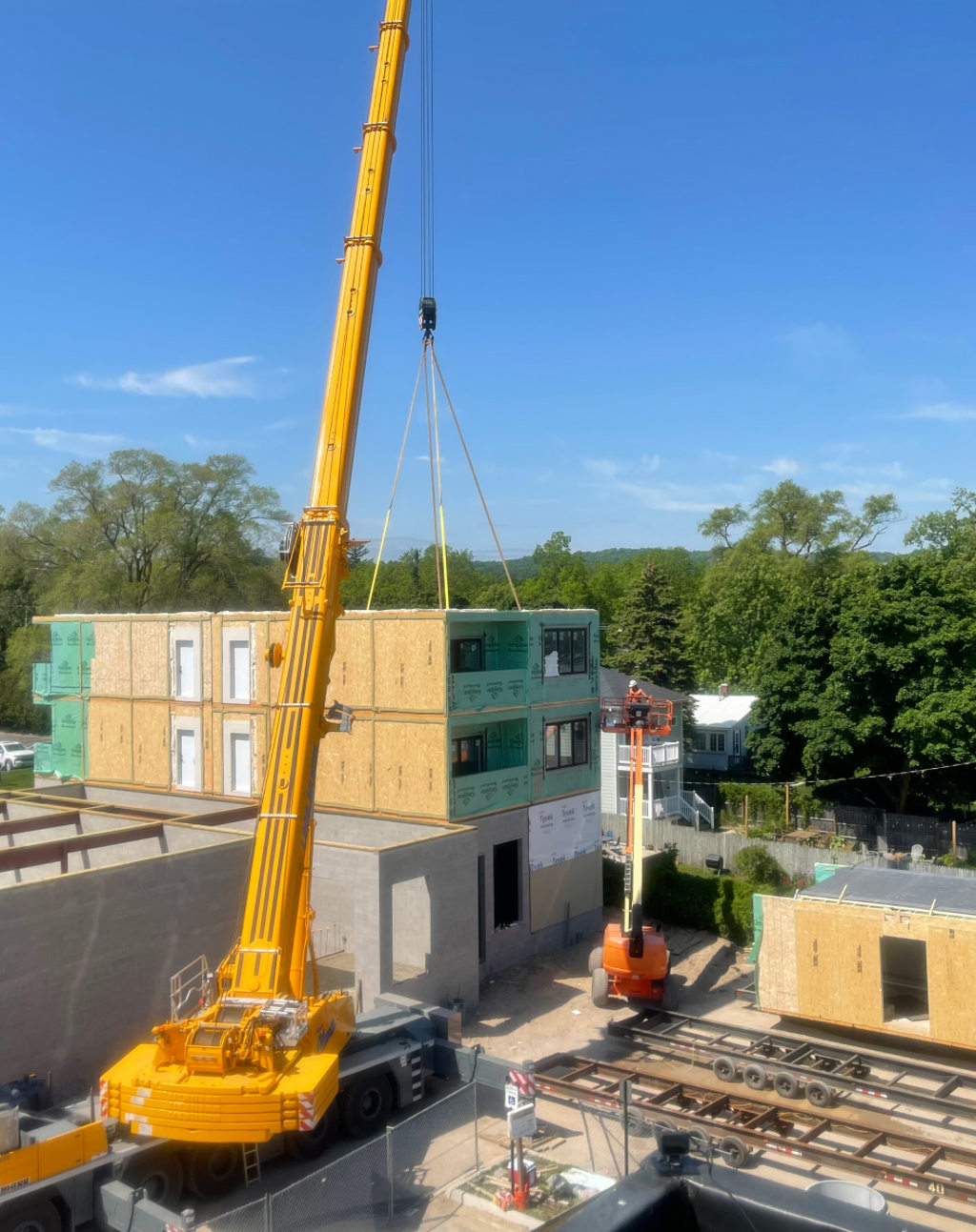
- The Crane Pad: A massive commercial crane requires a stable, level, and compacted pad. We specify the weight-bearing requirements, so the crane can operate safely and efficiently.
- Staging Areas: We need a dedicated space for "staging" modules as they arrive. This is so the installation crew keeps a steady rhythm, pulling the next unit as soon as the previous one is secured.
The Site-Readiness Checklist
Before we give the green light for the first module to leave the factory, we ensure the following are in place:
- Verified Foundation: Level, square, and cured.
- Safety: Ensure the project safety plan is understood and fully implemented.
- Site Access: Clear paths for trucks and the crane, free of overhead power lines or low-hanging trees.
- Weather Window: While we build in a climate-controlled factory, we still need a safe window for the on-site set.
The Result: A Frictionless Installation
When the site’s ready and the logistics are locked, the results are incredible. We can often set 8 to 12 modules in a single day, transforming a vacant foundation into a nearly complete structural shell in hours, not weeks.
This is the peak of the RC2 process — where months of engineering and manufacturing coordination culminate in a fast, boring, and perfectly predictable installation day.
- See the Set: Watch our Installation Videos to see the process in action.
- Our Services: Explore the full range of our Modular Services.
- The Roadmap: Review our 5-Step Process for project success.